

Discover the Best Time to Visit Sri Lanka: A Seasonal Guide – Overview of Sri Lanka’s Climate
Sri Lanka, often referred to as the “Pearl of the Indian Ocean,” boasts a tropical climate that is both diverse and complex. This island nation experiences a variety of weather patterns, influenced by its unique topographical features and location near the Equator. As a result, travelers can expect a mix of sun-drenched beaches, lush rainforests, and cool mountainous regions, all within relatively short distances.
The climate in Sri Lanka is primarily dictated by two monsoon seasons: the southwest monsoon (Yala) and the northeast monsoon (Maha). The southwest monsoon affects the western and southern coasts along with the central highlands, bringing heavy rains typically from May to September. Conversely, the northeast monsoon impacts the eastern and northern regions from October to January. Between these monsoon periods, Sri Lanka enjoys inter-monsoonal seasons characterized by more moderate weather.
Understanding Sri Lanka’s climate is crucial for planning your visit to ensure you make the most of this beautiful country. The diverse weather conditions allow for a wide range of activities year-round, from beach lounging and wildlife safaris to cultural festivals and trekking in the highlands. By aligning your travel plans with the climate, you can ensure a memorable and enjoyable experience in Sri Lanka.
Understanding Sri Lanka’s Seasons
Sri Lanka’s weather is divided into four distinct seasons, each offering unique experiences and attractions. The primary seasons are the southwest monsoon (Yala), the northeast monsoon (Maha), the first inter-monsoon season, and the second inter-monsoon season. Each of these seasons brings different weather patterns and opportunities for exploration.
The southwest monsoon season, spanning from May to September, is characterized by heavy rainfall in the southwestern and southern regions, including popular destinations like Colombo, Galle, and the central highlands. This period is ideal for exploring the lush greenery and waterfalls of the highlands, although beach activities may be limited due to rough seas.
The northeast monsoon season, from October to January, affects the northern and eastern regions, including Trincomalee, Batticaloa, and Jaffna. This season is perfect for exploring the cultural and historical sites in these areas, as well as enjoying the relatively calm seas and sunny beaches. The inter-monsoon seasons, occurring in April and October, offer a respite from the heavy rains, with more stable and pleasant weather across the island. These transitional periods are ideal for visiting multiple regions and experiencing a diverse range of activities.
The Best Time to Visit for Beach Lovers
For beach lovers, Sri Lanka offers an array of stunning coastal destinations, each with its own unique charm and appeal. The best time to visit the beaches of Sri Lanka depends on the region you plan to explore, as the island’s monsoon seasons significantly impact weather conditions along the coast.
The southwest coast, including popular beach destinations like Bentota, Hikkaduwa, and Unawatuna, is best visited during the dry season, which runs from December to March. During this period, the weather is sunny, and the seas are calm, making it ideal for swimming, snorkeling, and other water-based activities. Additionally, the cooler temperatures and lower humidity levels make it a comfortable time to relax on the beach and soak up the sun.
On the other hand, the east coast, featuring beautiful beaches such as Arugam Bay, Nilaveli, and Pasikuda, is best enjoyed from May to September. This period coincides with the dry season in the eastern region, offering warm, sunny days and calm seas perfect for surfing, diving, and beachcombing. The east coast’s relatively undeveloped and less crowded beaches provide a more tranquil and serene beach experience compared to the bustling southwest coast.
Ideal Months for Wildlife Enthusiasts
Sri Lanka is a wildlife enthusiast’s paradise, boasting an incredible array of flora and fauna, including elephants, leopards, and a myriad of bird species. The best time for wildlife experiences depends on the specific animals and parks you wish to visit, as well as the seasonal weather patterns that affect their habitats.
For those keen on witnessing the majestic elephant gatherings, the dry season from June to September is ideal for visiting Minneriya and Kaudulla National Parks. During this period, large herds of elephants congregate around the shrinking water sources, providing a spectacular and unforgettable sight. The dry weather also makes it easier to navigate the parks and spot other wildlife, such as deer, monkeys, and a variety of bird species.
If your goal is to see the elusive Sri Lankan leopard, the best time to visit Yala National Park is between February and October. This period coincides with the park’s dry season, when the vegetation is less dense, and water sources are scarce, increasing the chances of spotting leopards and other predators. Additionally, the cooler temperatures and lower humidity levels during these months make for a more comfortable and enjoyable safari experience.
Cultural Festivals and Events Throughout the Year
Sri Lanka’s rich cultural heritage is celebrated through numerous festivals and events throughout the year, offering travelers a unique opportunity to immerse themselves in the island’s vibrant traditions and customs. Understanding the timing of these festivals can greatly enhance your travel experience, providing a deeper appreciation of Sri Lanka’s diverse culture.
One of the most significant cultural events in Sri Lanka is the Sinhala and Tamil New Year, celebrated in mid-April. This festival marks the end of the harvest season and the beginning of the new year, with various rituals, games, and feasts taking place across the island. Visitors can witness traditional performances, participate in local games, and enjoy the festive atmosphere as communities come together to celebrate.
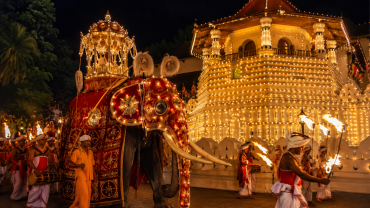
The Esala Perahera, held in July or August in the city of Kandy, is another must-see event. This grand procession, dedicated to the sacred tooth relic of the Buddha, features beautifully decorated elephants, traditional dancers, drummers, and fire performers. The vibrant and colorful spectacle draws thousands of visitors each year, offering a unique insight into Sri Lanka’s religious and cultural heritage.
Seasonal Activities: What to Do in Each Season
Sri Lanka’s diverse climate and geography provide a wide range of activities to enjoy throughout the year, each season offering its own unique experiences. By understanding the seasonal patterns, you can plan your itinerary to make the most of your visit and engage in activities that suit your interests and preferences.
During the southwest monsoon season (May to September), the central highlands and the cultural triangle are ideal destinations. The lush greenery and cooler temperatures in areas like Nuwara Eliya and Ella make for perfect trekking and sightseeing conditions. Additionally, this period is excellent for exploring ancient sites such as Sigiriya, Anuradhapura, and Polonnaruwa, where the weather is more favorable for outdoor exploration.
The northeast monsoon season (October to January) is perfect for beach activities and water sports on the southwest coast. Destinations like Mirissa, Weligama, and Tangalle offer excellent conditions for surfing, snorkeling, and whale watching during this period. The clear skies and calm seas make for a relaxing and enjoyable beach holiday, with plenty of opportunities for water-based adventures.
During the inter-monsoon seasons (April and October), the weather is generally more stable and pleasant across the island, making it an excellent time for a multi-destination trip. This period is ideal for combining beach relaxation with cultural exploration and wildlife safaris, as the moderate weather conditions allow for a diverse range of activities without the extremes of the monsoon seasons.
Tips for Traveling During Off-Peak Sea
Traveling during off-peak seasons can offer numerous advantages, including fewer crowds, lower prices, and a more authentic experience of local life. However, it also comes with its own set of challenges, such as unpredictable weather and limited availability of certain services. By following a few essential tips, you can make the most of your off-peak travel to Sri Lanka.
First and foremost, be prepared for varying weather conditions. The off-peak seasons often coincide with the monsoon periods, which can bring heavy rains and occasional storms. Pack appropriate clothing, such as waterproof jackets, sturdy footwear, and quick-drying clothes, to ensure you stay comfortable and dry during your trip. Additionally, keep an eye on weather forecasts and be flexible with your plans, allowing for adjustments if needed.
Another important tip is to book accommodations and activities in advance. While off-peak seasons generally mean fewer tourists and more availability, some businesses may reduce their services or close temporarily during these periods. By planning ahead and securing your bookings, you can avoid any last-minute disappointments and ensure a smooth and enjoyable trip. Additionally, take advantage of lower prices and special deals often available during the off-peak seasons.
Finally, embrace the opportunity to experience Sri Lanka’s local culture and traditions more intimately. With fewer tourists around, you can enjoy a more relaxed and authentic atmosphere, engaging with locals and participating in community events. Take the time to explore off-the-beaten-path destinations, visit local markets, and savor traditional cuisine, gaining a deeper appreciation for the island’s rich cultural heritage.
Weather Patterns and Their Impact on Travel
Understanding Sri Lanka’s weather patterns is crucial for planning a successful trip, as the island’s diverse climate can significantly impact travel experiences. By familiarizing yourself with the seasonal variations and their effects on different regions, you can make informed decisions about when and where to visit, ensuring a more enjoyable and memorable journey.
The southwest monsoon season (May to September) brings heavy rainfall to the western and southern regions, including popular destinations such as Colombo, Galle, and the central highlands. While this period may not be ideal for beach activities, it offers a unique opportunity to explore the lush, rain-soaked landscapes of the highlands, with cascading waterfalls and verdant tea plantations. Additionally, the cultural triangle remains relatively dry during this season, making it an excellent time to visit historical sites and ancient cities.
In contrast, the northeast monsoon season (October to January) affects the eastern and northern regions, including Trincomalee, Batticaloa, and Jaffna. This period is perfect for enjoying the calm and sunny beaches of the southwest coast, as well as exploring the cultural and historical attractions in these areas. The dry weather also makes it an ideal time for wildlife safaris in parks like Yala and Wilpattu, where the chances of spotting animals are higher.
The inter-monsoon seasons (April and October) offer more stable and pleasant weather across the island, with fewer extremes in temperature and rainfall. These transitional periods are ideal for a multi-destination trip, allowing you to experience a diverse range of activities and attractions. Whether you’re looking to relax on the beach, explore ancient ruins, or embark on a wildlife adventure, the inter-monsoon seasons provide the perfect balance of weather conditions for a well-rounded travel experience.
Recommended Packing List for Different Seasons
Packing appropriately for your trip to Sri Lanka is essential to ensure a comfortable and enjoyable experience, as the island’s diverse climate requires a range of clothing and accessories. By tailoring your packing list to the specific season and regions you plan to visit, you can be well-prepared for any weather conditions and activities you encounter.
For the southwest monsoon season (May to September), prioritize lightweight, quick-drying clothing, as heavy rains and high humidity are common during this period. Pack a waterproof jacket, sturdy footwear, and an umbrella to stay dry during unexpected downpours. Additionally, include long-sleeved shirts and pants to protect against mosquitoes, which can be more prevalent in wet conditions. If you plan to visit the central highlands, bring warmer layers, as temperatures can be cooler at higher altitudes.
During the northeast monsoon season (October to January), focus on packing for warm and sunny weather, especially if you plan to visit the southwest coast or the cultural triangle. Lightweight, breathable clothing is essential for staying comfortable in the heat, along with a wide-brimmed hat, sunglasses, and sunscreen to protect against the strong sun. For beach destinations, don’t forget to pack swimwear, a beach towel, and water shoes for exploring rocky shores.
The inter-monsoon seasons (April and October) offer more moderate weather, so a versatile packing list is key. Include a mix of lightweight and warmer clothing to accommodate varying temperatures and conditions. A light jacket or sweater is useful for cooler evenings, while a raincoat or travel umbrella can come in handy for occasional showers. Comfortable walking shoes are essential for exploring cultural sites and natural attractions, and a reusable water bottle is a must for staying hydrated during your adventures.
Conclusion: Planning Your Perfect Trip to Sri Lanka
Planning your perfect trip to Sri Lanka involves understanding the island’s diverse climate, seasonal variations, and the unique experiences each season offers. By aligning your travel plans with the weather patterns and regional attractions, you can ensure a memorable and enjoyable journey, tailored to your interests and preferences.
Whether you’re a beach lover seeking sun-soaked shores, a wildlife enthusiast eager to spot exotic animals, or a culture aficionado looking to immerse yourself in vibrant festivals, Sri Lanka has something for everyone. By considering the best times to visit for your desired activities and destinations, you can make the most of your trip and create lasting memories.
In addition to understanding the seasonal dynamics, it’s essential to pack appropriately and be prepared for varying weather conditions. By following our recommended packing list and travel tips, you can ensure a comfortable and hassle-free experience, allowing you to focus on exploring and enjoying the beauty and charm of Sri Lanka.
With its rich cultural heritage, stunning landscapes, and warm hospitality, Sri Lanka is a destination that promises unforgettable experiences year-round. By carefully planning your trip and embracing the unique opportunities each season offers, you can unlock the secrets of this tropical paradise and create a travel experience that will stay with you for a lifetime.





Comment (0)