

Introduction
The Significance of Sigiriya in Sri Lankan Culture
Sigiriya, often referred to as the Eighth Wonder of the World, occupies a special place in Sri Lankan culture and history. Located in the Central Province of Sri Lanka, this ancient rock fortress stands majestically at around 200 meters high, offering a glimpse into the island’s rich heritage. Sigiriya, which translates to “Lion Rock,” is not just a geological marvel but also a testament to the ingenuity and ambition of its ancient inhabitants. The site is believed to have been established by King Kasyapa in the 5th century AD, who transformed the rock into a fortress and royal palace.
The cultural significance of Sigiriya is immense, as it represents the zenith of ancient urban planning and landscape design. The complex includes remnants of a sophisticated hydraulic system that supplied water to the palace and its surrounding gardens. This intricate system of canals, lakes, and fountains showcases the advanced engineering skills of the time. Furthermore, the site is imbued with mythological and historical narratives that are deeply embedded in Sri Lankan folklore. According to legend, King Kasyapa chose Sigiriya as his stronghold to safeguard against potential invasions and to consolidate his power, making it a focal point of historical intrigue.
In addition to its historical and architectural grandeur, Sigiriya holds spiritual significance for many Sri Lankans. The rock is adorned with frescoes depicting celestial maidens, which are believed to have religious and cultural connotations. These artworks, along with the site’s overall ambiance, create a sense of reverence and awe. Sigiriya is not just a tourist destination; it is a cultural monument that continues to inspire and captivate people from all walks of life. By visiting Sigiriya, one can truly appreciate the depth and richness of Sri Lankan heritage and gain a deeper understanding of the island’s historical narrative.
How to Get to Sigiriya Tour: Travel Tips and Transportation
Getting to Sigiriya is relatively straightforward, thanks to its well-connected location. The nearest major city is Dambulla, which is about 25 kilometers away. Colombo, the capital city of Sri Lanka, is approximately 175 kilometers from Sigiriya and serves as a primary entry point for international travelers. From Colombo, you have several options to reach Sigiriya, each catering to different preferences and budgets.
One of the most convenient ways to travel from Colombo to Sigiriya is by hiring a private car or taxi. This option offers the flexibility to travel at your own pace and make stops along the way. The journey typically takes around four to five hours, depending on traffic conditions. Alternatively, you can opt for a bus or train ride to Dambulla and then take a local bus or tuk-tuk to Sigiriya. Buses are frequent and offer an economical way to travel, though they may be less comfortable compared to private transport. Trains, on the other hand, provide a scenic route and are a great way to experience the Sri Lankan countryside.
For those who prefer a more adventurous approach, renting a motorbike is also an option. This allows for a more immersive experience as you navigate through the picturesque landscapes of Sri Lanka. However, it’s important to be cautious and adhere to local traffic regulations. Regardless of the mode of transport you choose, it’s advisable to start your journey early in the day to avoid the midday heat and ensure you have ample time to explore Sigiriya upon arrival.
Best Time to Visit Sigiriya: Weather and Seasonal Considerations
When planning a trip to Sigiriya, it’s essential to consider the weather and seasonal variations to make the most of your visit. Sri Lanka experiences a tropical climate, which means the weather can be quite variable throughout the year. The best time to visit Sigiriya is during the dry season, which typically runs from December to April. During this period, you can expect clear skies, moderate temperatures, and minimal rainfall, making it ideal for outdoor activities and sightseeing.
The months of January to March are particularly favorable, as the weather is generally pleasant with temperatures ranging between 22°C to 30°C. This is also the peak tourist season, so you can expect larger crowds, especially at popular attractions like the Sigiriya Rock Fortress. If you prefer a quieter experience, consider visiting in April, just before the onset of the monsoon season. While the temperatures may be slightly higher, the reduced tourist traffic allows for a more serene exploration of the site.
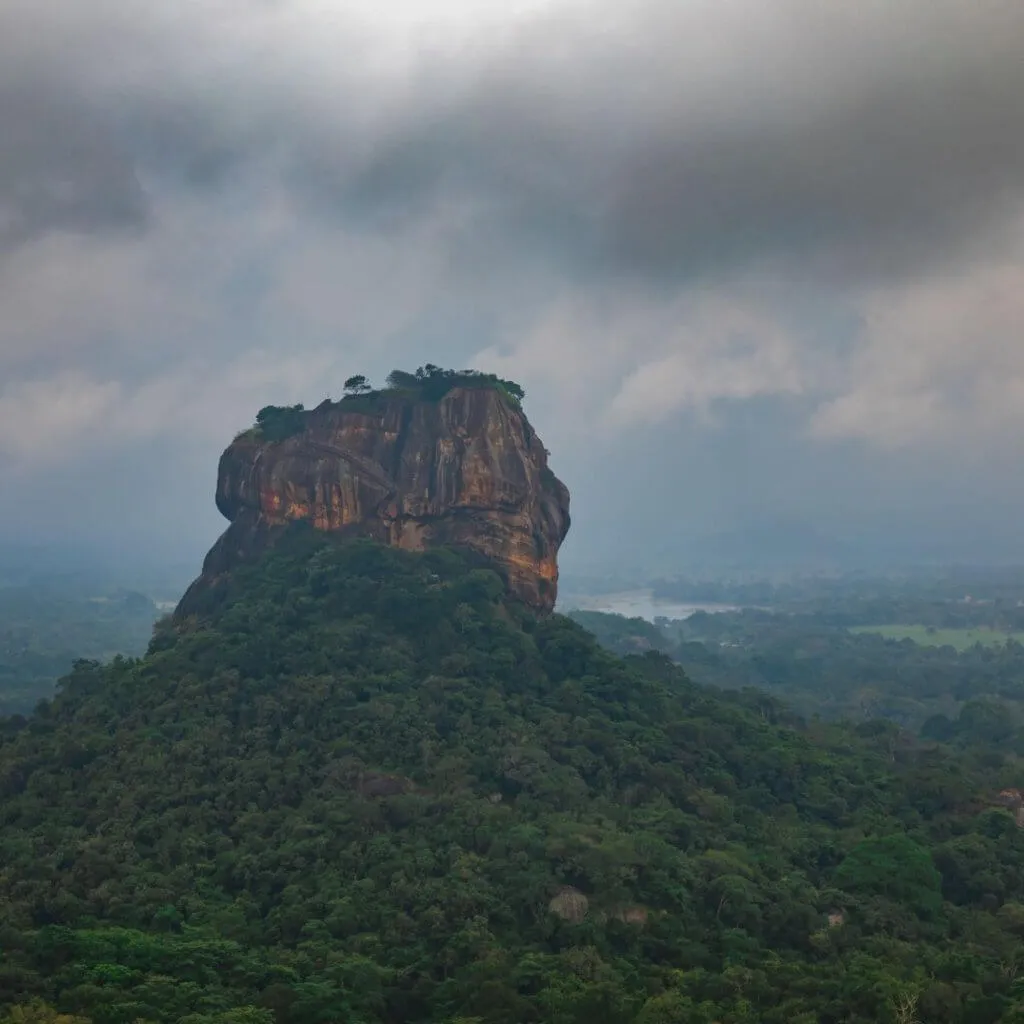
The monsoon season in Sri Lanka is divided into two periods: the southwest monsoon (May to September) and the northeast monsoon (October to January). While visiting Sigiriya during the monsoon months can present challenges due to heavy rainfall and slippery conditions, it also has its unique charm. The landscape becomes lush and verdant, and the reduced number of tourists can make for a more intimate experience. If you choose to visit during the monsoon season, be prepared for sudden downpours and bring appropriate rain gear. Regardless of when you visit, Sigiriya’s timeless allure ensures a memorable experience.
Exploring the Sigiriya Rock Fortress: Key Features and Attractions
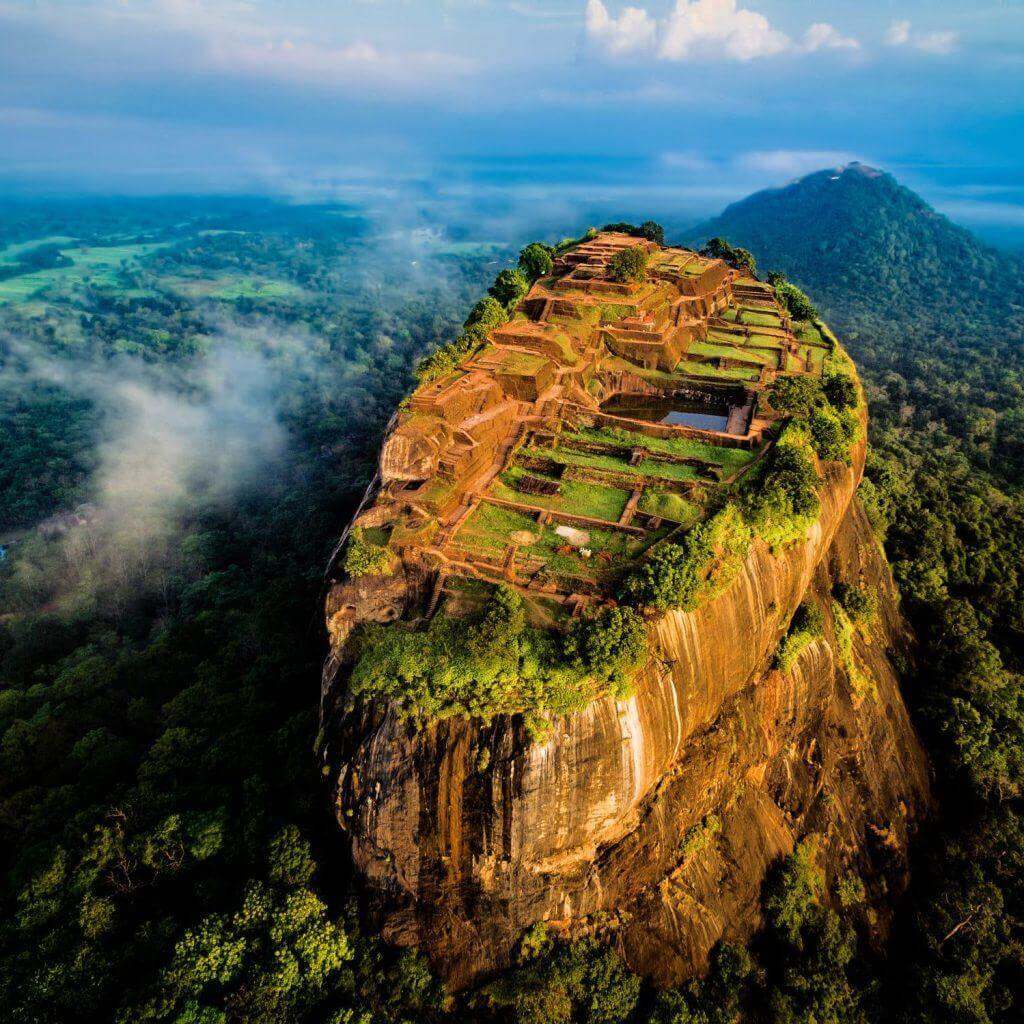
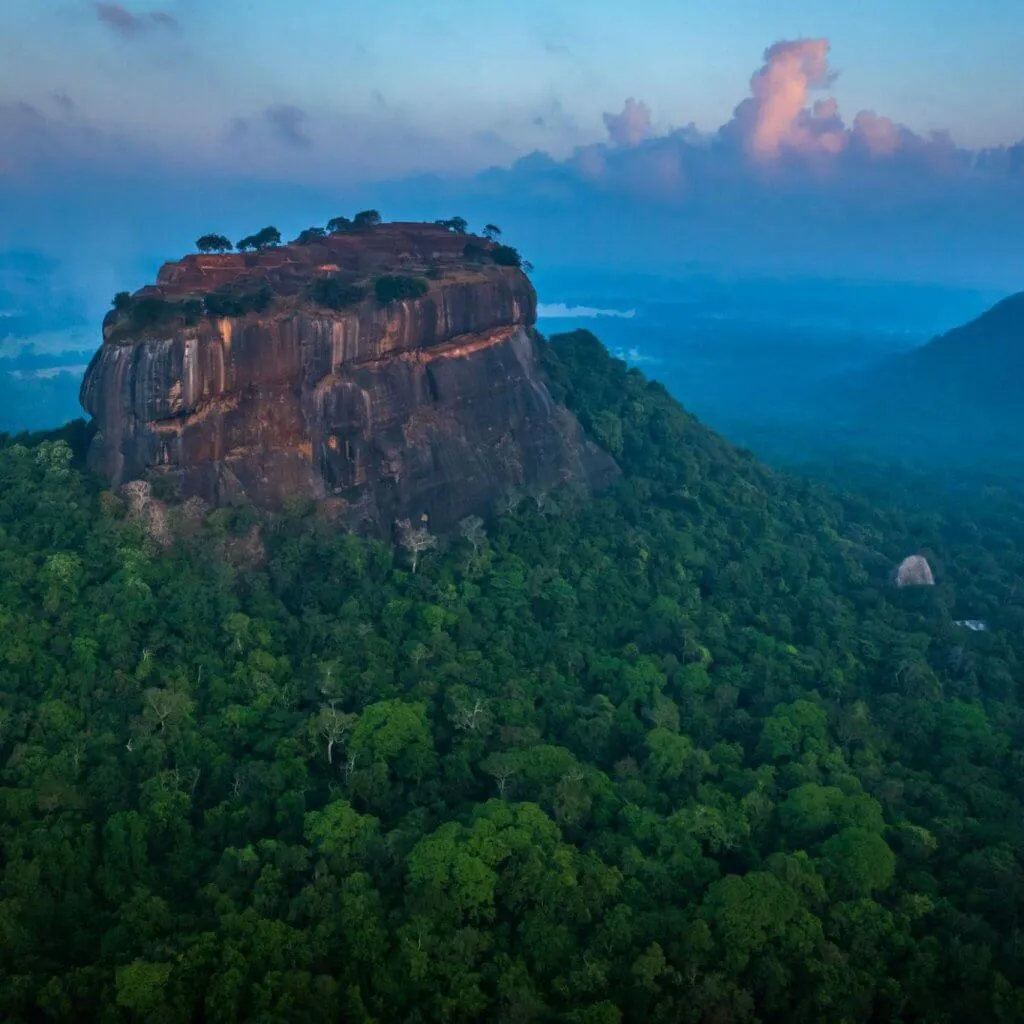
The Sigiriya Rock Fortress is a marvel of ancient engineering and artistry, offering a plethora of attractions that captivate visitors. As you approach the site, the first thing you’ll notice is the massive rock formation rising abruptly from the surrounding plains. This imposing structure is the heart of Sigiriya and serves as the foundation for the ancient fortress and palace complex.
At the base of the rock, you will encounter the beautiful Water Gardens, which are a testament to the advanced hydraulic engineering of the time. These gardens are divided into three main sections: the symmetrical gardens, the island gardens, and the terraced gardens. Each section is intricately designed with pools, fountains, and canals that were once part of the sophisticated water management system. The Water Gardens provide a serene and picturesque introduction to the site, setting the stage for the wonders that lie ahead.
As you begin your ascent, you’ll come across the famous Sigiriya Frescoes, which are among the most significant attractions of the site. These vibrant paintings, created using natural pigments, depict celestial maidens and are believed to have been part of a larger mural. The frescoes are located in a sheltered gallery about halfway up the rock and are accessible via a spiral staircase. The vivid colors and intricate details of the frescoes offer a glimpse into the artistic prowess of the ancient Sri Lankans.
Continuing your climb, you’ll reach the Lion’s Gate, which is one of the most iconic features of Sigiriya. The gate is flanked by two massive lion’s paws carved out of the rock, symbolizing the entrance to the palace complex. The name “Sigiriya” itself is derived from this lion motif. Beyond the Lion’s Gate lies the final ascent to the summit, where the remains of the royal palace can be found. The summit offers panoramic views of the surrounding landscape, making the climb well worth the effort. The ruins at the top include the foundations of various structures, cisterns, and a throne carved out of rock, providing a fascinating insight into the life of the ancient inhabitants.
The Frescoes of Sigiriya: Art and History
The frescoes of Sigiriya are some of the most celebrated artworks in Sri Lankan history, offering a window into the island’s artistic and cultural heritage. These vibrant murals are located in a sheltered gallery about halfway up the Sigiriya Rock and are accessible via a spiral staircase. The frescoes depict celestial maidens, often referred to as “Sigiriya Damsels,” who are adorned with elaborate jewelry and garlands of flowers. The vivid colors and intricate details of these paintings are a testament to the skill and creativity of the ancient artists.

The frescoes are believed to have been created during the reign of King Kasyapa in the 5th century AD. While the exact purpose and meaning of the frescoes remain a subject of scholarly debate, they are generally thought to represent apsaras, or heavenly maidens, who are common figures in Buddhist and Hindu mythology. Some theories suggest that the frescoes may have been part of a larger mural that adorned the entire western face of the rock, creating a grand and visually stunning spectacle. Unfortunately, only a fraction of the original artwork has survived the ravages of time and weather.
One of the most striking aspects of the Sigiriya frescoes is their use of natural pigments, which have retained their brilliance over the centuries. The artists used a variety of minerals and organic materials to create a rich palette of colors, including red, yellow, green, and blue. The frescoes are executed in a style that combines realism with idealism, capturing the grace and beauty of the maidens while also imbuing them with an ethereal quality. The attention to detail in the depiction of jewelry, clothing, and facial expressions adds to the overall allure and mystique of the frescoes.
The Sigiriya frescoes are not only a testament to the artistic achievements of ancient Sri Lanka but also provide valuable insights into the cultural and social milieu of the time. The depiction of the celestial maidens, with their elaborate attire and adornments, reflects the influence of Indian and Southeast Asian artistic traditions. Moreover, the frescoes offer clues about the religious and ceremonial practices of the period, as well as the aesthetic sensibilities of the ancient Sri Lankans. Visiting the frescoes is a highlight of any trip to Sigiriya, allowing you to connect with the artistic heritage of this remarkable site.
Hiking to the Top: What to Expect on Your Climb
Hiking to the top of the Sigiriya Rock Fortress is an exhilarating experience that combines physical challenge with historical exploration. The ascent involves climbing approximately 1,200 steps, which are divided into several sections, each offering unique perspectives and attractions. While the climb can be strenuous, the rewards are well worth the effort, as the journey is filled with fascinating sights and breathtaking views.
The hike begins at the base of the rock, where you will pass through the beautifully landscaped Water Gardens. As you make your way through the gardens, you’ll encounter a series of pools, fountains, and canals that were once part of the ancient hydraulic system. The serene ambiance of the gardens provides a peaceful start to your ascent, allowing you to appreciate the ingenuity and beauty of the site. From the gardens, you’ll begin the climb up the rock, following a series of staircases and pathways that wind their way up the steep incline.
About halfway up the rock, you’ll come across the famous Sigiriya Frescoes, which are accessible via a spiral staircase. This sheltered gallery offers a welcome break from the climb and a chance to marvel at the vibrant murals depicting celestial maidens. After taking in the frescoes, you’ll continue your ascent to the Lion’s Gate, one of the most iconic features of Sigiriya. The gate is flanked by two massive lion’s paws carved out of the rock, symbolizing the entrance to the royal palace. Beyond the Lion’s Gate lies the final section of the climb, which involves navigating a series of steep and narrow staircases leading to the summit.
Reaching the top of Sigiriya is a moment of triumph, as the summit offers panoramic views of the surrounding landscape. The ruins of the royal palace, including the foundations of various structures, cisterns, and a throne carved out of rock, provide a fascinating glimpse into the life of the ancient inhabitants. The summit also features a large terrace that was once the site of the king’s throne room, offering a commanding view of the entire complex. As you take in the breathtaking vistas and explore the ruins, you’ll gain a deeper appreciation for the historical and cultural significance of Sigiriya. The hike to the top is a challenging but immensely rewarding experience that leaves a lasting impression on all who undertake it.
Nearby Attractions: Extending Your Sigiriya Adventure
While Sigiriya is undoubtedly the highlight of any visit to the region, there are several nearby attractions that are well worth exploring. Extending your Sigiriya adventure to include these sites allows you to gain a more comprehensive understanding of the area’s rich history and natural beauty. One such attraction is the ancient city of Polonnaruwa, which is located about 55 kilometers from Sigiriya. Polonnaruwa was the second capital of Sri Lanka and is home to a wealth of archaeological treasures, including well-preserved ruins of palaces, temples, and statues. The UNESCO World Heritage Site offers a fascinating glimpse into the island’s medieval history and is a must-visit for history enthusiasts.
Another notable nearby attraction is the Dambulla Cave Temple, located about 25 kilometers from Sigiriya. This temple complex, also known as the Golden Temple of Dambulla, is a UNESCO World Heritage Site and one of the most important Buddhist pilgrimage sites in Sri Lanka. The temple consists of five caves adorned with intricate murals and statues of Buddha, showcasing the island’s rich artistic and religious heritage. The serene ambiance and stunning artwork make the Dambulla Cave Temple a captivating destination for visitors.
For nature lovers, a visit to the Minneriya National Park is highly recommended. Located approximately 30 kilometers from Sigiriya, the park is renowned for its diverse wildlife and the famous Minneriya Elephant Gathering. During the dry season, hundreds of elephants congregate around the Minneriya Tank, creating a spectacular sight that attracts wildlife enthusiasts and photographers from around the world. In addition to elephants, the park is home to a variety of other animals, including deer, leopards, and numerous bird species. A safari tour of Minneriya National Park offers a thrilling and immersive experience, allowing you to connect with Sri Lanka’s natural beauty.
Extending your Sigiriya adventure to include these nearby attractions ensures a well-rounded and enriching travel experience. Whether you’re interested in history, culture, or nature, the region offers a diverse array of destinations that complement the awe-inspiring beauty of Sigiriya. By exploring these sites, you’ll gain a deeper appreciation for the multifaceted heritage of Sri Lanka and create lasting memories of your journey.
Accommodations and Dining Options in Sigiriya
Finding the right accommodation and dining options is crucial for a comfortable and enjoyable visit to Sigiriya. The area offers a range of lodging choices to suit different budgets and preferences, from luxury resorts to budget-friendly guesthouses. Many of these accommodations are located within a short distance from the Sigiriya Rock Fortress, providing convenient access to the site.
For those seeking luxury and comfort, several high-end resorts and boutique hotels offer top-notch amenities and services. These establishments often feature spacious rooms, swimming pools, spa facilities, and stunning views of the surrounding landscape. Some notable luxury options include the Jetwing Vil Uyana, which offers eco-friendly accommodations amidst rice paddies and lakes, and the Water Garden Sigiriya, known for its elegant design and tranquil ambiance. These resorts provide a perfect blend of relaxation and luxury, ensuring a memorable stay.
If you’re traveling on a budget, there are plenty of mid-range and budget-friendly accommodations available as well. Guesthouses and homestays offer a more intimate and personalized experience, often run by local families who provide warm hospitality and valuable insights into the area. Some popular budget options include the Sigiri Lion Lodge and the Sinhagiri Villa, both of which offer comfortable rooms and convenient access to the Sigiriya Rock Fortress. Staying at a guesthouse or homestay allows you to experience the local culture and enjoy a more authentic travel experience.
When it comes to dining, Sigiriya offers a variety of options to satisfy different tastes and preferences. Many hotels and guesthouses have on-site restaurants that serve a range of local and international dishes. Traditional Sri Lankan cuisine is a highlight, with dishes such as rice and curry, hoppers, and kottu roti being popular choices. For a unique dining experience, consider visiting one of the local village restaurants, where you can enjoy home-cooked meals made with fresh, locally-sourced ingredients. Some popular dining spots in the area include the Ahinsa Restaurant, which offers a variety of Sri Lankan and Western dishes, and the Pradeep Restaurant, known for its delicious rice and curry.
Finding the right accommodation and dining options in Sigiriya ensures a comfortable and enjoyable visit, allowing you to focus on exploring the wonders of this remarkable site. Whether you prefer luxury or budget-friendly options, the area offers a range of choices to suit different preferences and budgets, ensuring a memorable and satisfying travel experience.
Conclusion: Why Sigiriya Should Be on Your Travel List
Sigiriya, with its rich history, stunning landscapes, and cultural significance, is a destination that should be on every traveler’s list. This ancient rock fortress, often referred to as the Eighth Wonder of the World, offers a unique and captivating experience that combines historical exploration with natural beauty. From the moment you set eyes on the imposing rock formation, you’ll be drawn into a world of ancient ingenuity and artistic achievement.
The ascent to the top of Sigiriya Rock is an exhilarating journey that takes you through beautifully landscaped gardens, past vibrant frescoes, and up to the iconic Lion’s Gate. The panoramic views from the summit and the ruins of the royal palace provide a fascinating glimpse into the life of the ancient inhabitants, leaving a lasting impression on all who visit. The site’s intricate hydraulic systems, artistic masterpieces, and architectural marvels are a testament to the advanced skills and creativity of the ancient Sri Lankans.
Beyond the rock fortress, the surrounding area offers a wealth of attractions that complement the Sigiriya experience. From the ancient city of Polonnaruwa to the Dambulla Cave Temple and the wildlife-rich Minneriya National Park, there are plenty of opportunities to explore and discover the region’s diverse heritage. The variety of accommodations and dining options ensures a comfortable and enjoyable stay, catering to different budgets and preferences.
In conclusion, Sigiriya is a destination that offers something for everyone. Whether you’re a history enthusiast, nature lover, or simply seeking a unique travel experience, Sigiriya promises to captivate and inspire. Its timeless allure and cultural significance make it a must-visit destination that will leave you with unforgettable memories. So, pack your bags and embark on a journey to discover the magic of Sigiriya, where ancient history meets breathtaking landscapes.
 1 Day
1 Day 13 Days 12 Nights
 1 Day
1 Day



Comment (0)