

Top Cultural Tours Sri Lanka for Every Traveler – Introduction
Embark on an unforgettable journey through Sri Lanka with our guide to the top cultural tours. Uncover ancient traditions, vibrant festivals, and rich heritage!
The Ancient City of Anuradhapura
Anuradhapura, one of the ancient capitals of Sri Lanka, is a treasure trove of archaeological wonders and spiritual significance. Founded in the 4th century BCE, this city served as the center of Theravada Buddhism for many centuries. Today, it is a UNESCO World Heritage Site, drawing visitors from around the globe who are eager to explore its historical landmarks and religious monuments. As you wander through this ancient city, you will encounter majestic stupas, intricate carvings, and sacred Bodhi trees that have stood the test of time.
One of the most revered sites in Anuradhapura is the Sri Maha Bodhi, a sacred fig tree grown from a cutting of the original Bodhi tree under which the Buddha attained enlightenment. This site is a place of pilgrimage for Buddhists, and its serenity and spiritual ambiance are palpable. Nearby, the Ruwanwelisaya stupa, one of the largest and most significant stupas in Sri Lanka, stands as a testament to ancient engineering and devotion. Its gleaming white dome, surrounded by meticulously crafted statues, is a sight to behold.
Exploring Anuradhapura also means delving into the intricate water management systems that once sustained the city. The ancient reservoirs, or “tanks,” such as the Abhayagiri and Jetavanaramaya, were marvels of engineering, designed to collect and store rainwater for agriculture and daily use. These tanks not only highlight the ingenuity of ancient Sri Lankan civilization but also provide a picturesque backdrop for your journey through this historic city.
Exploring the Sacred City of Kandy
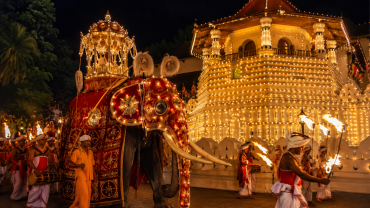
Nestled amidst lush hills and scenic landscapes, Kandy is a city that seamlessly blends natural beauty with cultural richness. At the heart of Kandy lies the Temple of the Sacred Tooth Relic, one of the most venerated Buddhist sites in the world. This temple houses a tooth relic of the Buddha, and its significance is celebrated through elaborate rituals and ceremonies. The annual Esala Perahera, a grand procession featuring traditional dancers, drummers, and beautifully adorned elephants, is a highlight of the Kandy cultural calendar.
Beyond the Temple of the Sacred Tooth Relic, Kandy offers a plethora of cultural experiences. The Royal Palace complex, once the residence of Sri Lankan kings, provides insight into the island’s regal past. The Kandy National Museum, located within the palace grounds, showcases a fascinating collection of artifacts, including ancient weaponry, jewelry, and manuscripts. A visit to this museum is a journey through Sri Lanka’s history, offering a deeper understanding of the island’s cultural heritage.
Kandy’s charm extends to its vibrant markets and traditional arts. The Kandy Market is a bustling hub where you can immerse yourself in the local way of life. Stalls brimming with fresh produce, spices, and handicrafts create a sensory feast. For those interested in traditional arts, a visit to the Kandyan Art Association is a must. Here, you can witness artisans crafting intricate woodwork, brassware, and textiles, preserving age-old techniques passed down through generations.
Galle Fort: A Blend of History and Architecture
Galle Fort, a UNESCO World Heritage Site, is a captivating blend of history, architecture, and culture. Built by the Portuguese in the 16th century and later fortified by the Dutch, this coastal fortress stands as a testament to Sri Lanka‘s colonial past. Walking through the cobblestone streets of Galle Fort is like stepping back in time, with its well-preserved colonial buildings, charming cafes, and boutique shops exuding an old-world charm.
One of the iconic landmarks within Galle Fort is the Dutch Reformed Church, an architectural gem dating back to the 18th century. Its simple yet elegant design, with wooden pews and a serene atmosphere, provides a glimpse into the religious life of the colonial era. Nearby, the Galle Lighthouse, standing tall at the edge of the fort, offers panoramic views of the Indian Ocean and the surrounding coastline. Climbing to the top is a rewarding experience, especially during sunset when the sky is painted in hues of orange and pink.
Galle Fort is also home to a vibrant arts and culture scene. The Maritime Archaeology Museum, housed in a restored Dutch warehouse, showcases artifacts recovered from shipwrecks along the coast. This museum offers a fascinating look into Sri Lanka’s maritime history and the trade networks that once connected the island to the rest of the world. Additionally, the Galle Literary Festival, held annually, attracts writers, poets, and literature enthusiasts from around the globe, turning the fort into a hub of intellectual and artistic exchange.
Tips for Choosing the Right Cultural Tour
Selecting the perfect cultural tour in Sri Lanka can be a daunting task, given the plethora of options available. However, by keeping a few key factors in mind, you can ensure that your journey is both enriching and enjoyable. First and foremost, consider your interests and preferences. Whether you are drawn to ancient history, religious sites, or traditional arts, there is a tour tailored to your specific passions. Researching the highlights of each tour and reading reviews from fellow travelers can provide valuable insights.
Another crucial aspect to consider is the tour guide’s expertise. A knowledgeable and passionate guide can significantly enhance your experience by providing in-depth information, intriguing anecdotes, and local perspectives. Look for tours led by certified guides who are well-versed in Sri Lanka’s history and culture. Additionally, smaller group sizes often allow for a more personalized experience, enabling you to ask questions and engage more closely with the guide.
Logistics and convenience are also important factors when choosing a cultural tour. Consider the duration of the tour, the mode of transportation, and the level of physical activity involved. Some tours may involve extensive walking or climbing, while others offer a more relaxed pace. It’s essential to choose a tour that aligns with your fitness level and comfort. Finally, don’t forget to explore the inclusions and exclusions of the tour package, such as entry fees, meals, and accommodation, to ensure there are no surprises along the way.
The Cultural Significance of Sigiriya Rock Fortress
Sigiriya, often referred to as the “Lion Rock,” is one of Sri Lanka’s most iconic landmarks and a marvel of ancient engineering. This colossal rock fortress, rising majestically from the plains, was built by King Kashyapa in the 5th century CE. The fortress served as a royal palace and a military stronghold, and its strategic location offered panoramic views of the surrounding landscape. Today, Sigiriya is a UNESCO World Heritage Site, attracting visitors with its awe-inspiring architecture and historical significance.
The ascent to the summit of Sigiriya is an adventure in itself. The climb involves navigating a series of stairways and terraces, passing by remarkable frescoes and mirror walls adorned with ancient graffiti. These frescoes, depicting celestial maidens known as “Sigiriya Damsels,” are a testament to the artistic prowess of the time. The mirror wall, once polished to reflect the king’s image, now bears inscriptions from visitors dating back to the 8th century, offering a glimpse into the thoughts and sentiments of ancient travelers.
At the summit, the ruins of the royal palace await exploration. The layout of the palace complex, with its water gardens, throne room, and royal baths, showcases the sophistication and grandeur of ancient Sri Lankan architecture. The Lion’s Gate, flanked by massive lion paws, serves as a symbolic entrance to the fortress, embodying the king’s power and authority. Standing atop Sigiriya, with the wind in your hair and the breathtaking vistas stretching out before you, you can’t help but feel a profound connection to the rich history and cultural heritage of this remarkable site.
Experience Traditional Festivals and Events
Sri Lanka’s cultural calendar is brimming with vibrant festivals and events that offer a glimpse into the island’s rich traditions and communal spirit. One of the most significant festivals is Vesak, celebrating the birth, enlightenment, and passing of the Buddha. During Vesak, the entire island is adorned with colorful lanterns, intricate pandals, and illuminated decorations. Temples host special ceremonies and almsgiving, while streets come alive with processions and cultural performances, creating an atmosphere of joy and reverence.
Another captivating festival is the Sinhala and Tamil New Year, celebrated in April. This festival marks the end of the harvest season and the beginning of a new year according to the traditional lunar calendar. The celebrations involve a series of rituals, including the lighting of the hearth, preparing traditional sweets, and engaging in games and sports. Families gather to exchange gifts, share meals, and partake in age-old customs that strengthen bonds and foster a sense of community.
The Esala Perahera in Kandy is a spectacle of grand proportions. This ten-day festival, held in honor of the Sacred Tooth Relic, features a procession that winds its way through the streets of Kandy. Elephants adorned in lavish attire, traditional dancers, drummers, and fire performers create a mesmerizing display of culture and devotion. The festival culminates in the Randoli Perahera, a night procession that leaves spectators in awe of its splendor and scale. Attending these festivals offers a unique opportunity to immerse yourself in Sri Lanka’s cultural tapestry and witness the island’s vibrant traditions.
Overview of Popular Cultural Destinations
Sri Lanka’s cultural landscape is a mosaic of diverse influences, each contributing to the island’s unique heritage. In addition to the aforementioned destinations, there are several other cultural sites that are well worth exploring. Polonnaruwa, another ancient capital, is a city of ruins that showcases the architectural and artistic achievements of the medieval period. The Gal Vihara, with its colossal rock-cut statues of the Buddha, is a highlight of Polonnaruwa and a testament to the skill of ancient craftsmen.
Dambulla, home to the largest and best-preserved cave temple complex in Sri Lanka, is another must-visit cultural site. The Dambulla Cave Temple, also known as the Golden Temple, features a series of caves adorned with intricate murals and over 150 statues of the Buddha. The serene ambiance and stunning artwork make this a place of spiritual and aesthetic significance. Nearby, the Rangiri Dambulla International Stadium, built to resemble the surrounding caves, adds a modern touch to the cultural landscape.
For those interested in colonial history, the city of Colombo offers a fascinating blend of old and new. The Colombo Dutch Museum, housed in a 17th-century Dutch governor’s residence, provides insight into the colonial era with its collection of artifacts, furniture, and documents. The vibrant Pettah Market, with its maze of streets and bustling stalls, offers a sensory overload and a chance to experience the city’s multicultural vibe. Whether you are exploring ancient ruins, sacred temples, or colonial landmarks, Sri Lanka’s cultural destinations promise a journey of discovery and wonder.
Conclusion
unique story of the island’s past. By choosing the right cultural tour, you can immerse yourself in these stories, gaining a deeper appreciation for Sri Lanka’s diverse cultural tapestry. Whether you are witnessing the grandeur of Sigiriya, participating in traditional festivals, or exploring popular cultural sites, your journey through Sri Lanka will be an unforgettable adventure, filled with moments of awe and inspiration. So pack your bags, embark on this cultural odyssey, and discover the timeless allure of Sri Lanka.



Comment (0)