

Introduction
The tourism sector of Sri Lanka in 2026 stands at a historic crossroads, transitioning from a period of stabilization into a sophisticated, high-value ecosystem that emphasizes qualitative growth over mere quantitative arrival figures. As the nation targets a record-breaking three million international visitors annually, the industry has successfully pivoted toward a model of regenerative tourism that integrates ecological preservation with deep cultural immersion. For specialized service providers such as Lanka Tour Host, this environment necessitates a nuanced understanding of the modern traveler—one who seeks “hands-off luxury” and expertly orchestrated itineraries that bypass traditional tourist traps in favor of authentic, hidden gems. This guide looks at the 2026 travel landscape, examining the infrastructural advancements, the formalization of the digital nomad economy, the rise of the Northern and Eastern frontiers, and the strategic role of professional private guiding in delivering the “genuine travel experiences” demanded by the contemporary global market.
Infrastructural Foundations and the Connectivity Revolution of 2026
The ambitious revenue target of US$5.5 billion for 2026 is underpinned by transformative investments in transport and connectivity that have effectively decentralized the island’s tourism footprint. Historically, travel within Sri Lanka was characterized by significant transit times due to narrow road networks and topographic challenges. By 2026, the completion of the new terminal at Bandaranaike International Airport (BIA) has expanded arrival capacity by 10 million passengers, facilitating a more seamless entry process for high-value travelers from key European and Australian markets.
The Domestic Aviation and High-Speed Rail Integration
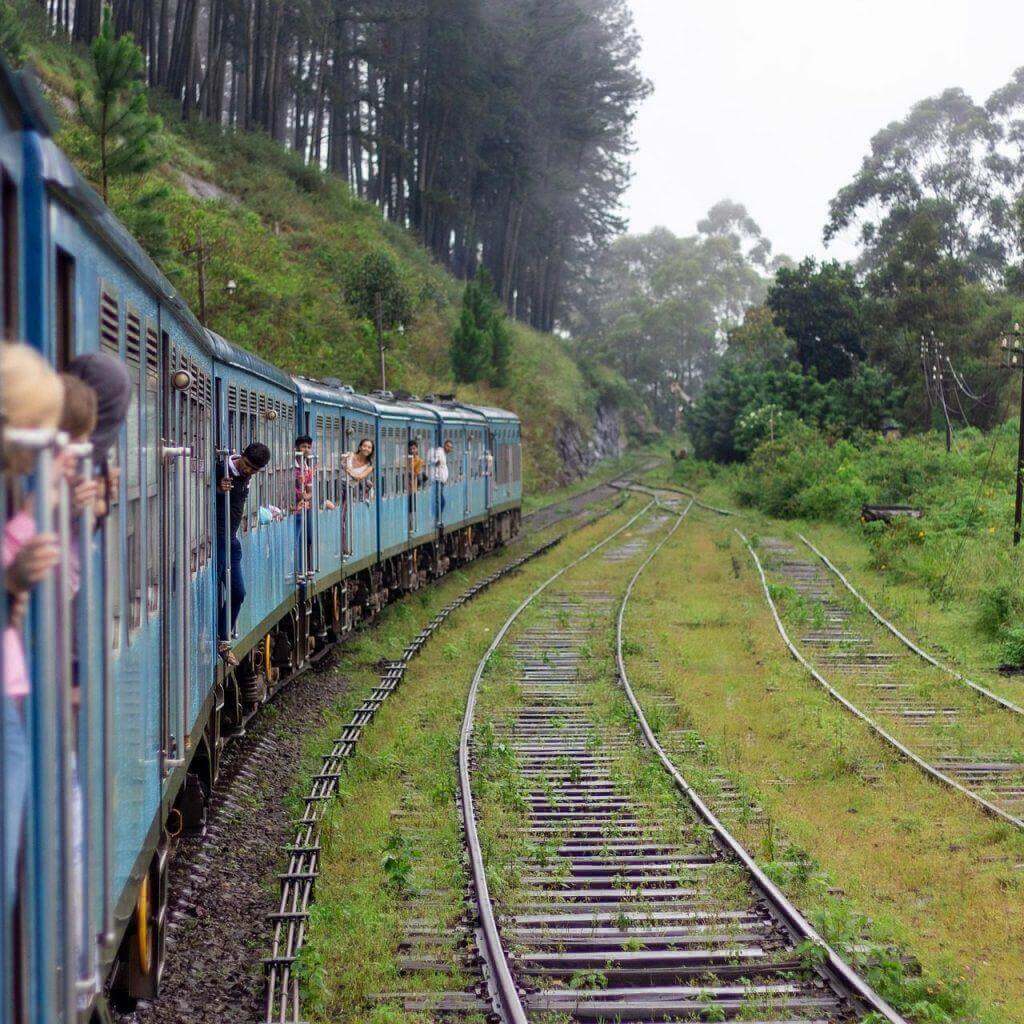
A primary driver of 2026’s tourism success is the optimization of domestic transit. The government has prioritized the expansion of regional airports in Jaffna, Mattala, and Batticaloa to support international charter flights and high-frequency domestic transfers. These aviation upgrades are designed to attract luxury travelers who prefer cutting travel times—reducing what were previously eight-hour road journeys to mere 45-minute flights.
| Transit Mode | 2026 Infrastructure Development | Strategic Impact on Tourism |
|---|---|---|
| International Aviation | BIA Terminal 2 Completion | Increased capacity for 10M additional annual passengers |
| Domestic Aviation | Upgraded Batticaloa & Jaffna Airports | Direct access to Eastern beaches and Northern culture |
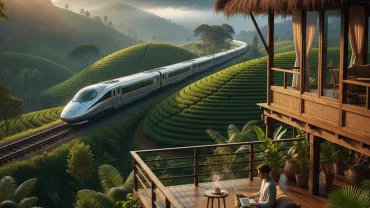
| Rail Transport | High-Speed Colombo-Kandy Line | Travel time reduced to under 90 minutes |
| Road Network | Expanded Central & Southern Expressways | Reduced congestion; faster “Airport Transfers” and private tours |
| Digital Integration | Smart Travel and AR Museum Exhibits | Seamless visitor navigation and enhanced heritage site context |
These developments are critical for the “Private Sri Lanka Holidays” model, as they allow for more complex multi-city loops. For instance, a traveler can now feasibly visit the ancient city of Anuradhapura in the morning and reach a luxury tented lodge in Yala by late afternoon without the physical exhaustion associated with legacy road transport. This efficiency reinvests “time” as a luxury asset for the client, which Lanka Tour Host leverages by providing “Tailor-Made Private Day Trips” that maximize cultural exposure.
The Digital Nomad Ecosystem: Legal Frameworks and Hub Development
One of the most significant policy shifts in 2026 is the full implementation of the Digital Nomad Visa, which was officially launched in February 2026 to stabilize the tourism market through long-term stays. This initiative acknowledges that the modern professional no longer views work and travel as mutually exclusive. The visa permits individuals to live on the island for one year, with annual renewal options, effectively creating a new class of “resident tourists” who contribute consistently to the local economy.
Eligibility, Financial Thresholds, and Legal Rights
The Sri Lankan Digital Nomad Visa is positioned as a competitive mid-tier offering in the global market. Unlike the high-barrier requirements of Thailand or Malaysia, Sri Lanka’s $2,000 monthly income threshold targets a broad segment of remote professionals and freelancers who value a lower cost of living paired with high-quality lifestyle assets.
| Parameter | Digital Nomad Visa Requirement (2026) |
|---|---|
| Minimum Monthly Income | $2,000 USD (from foreign sources only) |
| Application Fee | $500 USD per primary applicant |
| Family/Dependent Fee | $500 USD per dependent (after the first two) |
| Visa Validity | One year, annually renewable |
| Permitted Rights | Personal bank accounts, rental agreements, school enrollment |
| Restrictions | Local employment and political activities strictly prohibited |
This legal clarity has spurred the growth of specialized nomadic hubs. Colombo, Galle, and Kandy remain the primary administrative centers, but regions like Hiriketiya have evolved into dedicated “co-work, co-live, and surf” communities. Spaces such as “Nomadico” and “Slow Life” in Hiriketiya provide fiber-optic internet, ergonomic workspaces, and backup power—addressing the infrastructure concerns that previously limited remote work in rural areas.
The Socio-Economic Impact of Long-Stay Tourism
The influx of digital nomads has a ripple effect on the service sector. Lanka Tour Host identifies a growing demand for “Business and Private Traveler” services, where professionals require “professional English-speaking drivers” and reliable “Airport Transfers” to bridge their work-life needs. Furthermore, long-stay visitors are more likely to engage in “regenerative” activities, such as community-run farming or reforestation projects, as they develop a deeper vested interest in the local environment.
Regenerative Tourism: The 2026 Standard for Sustainability
By 2026, the term “sustainable tourism” has been largely superseded by “regenerative tourism.” The distinction is critical: while sustainability seeks to maintain the status quo and minimize harm, regenerative tourism aims to actively improve the destination. This shift is driven by the 2026 traveler’s desire to leave a “meaningful legacy” rather than just a carbon footprint.
The Role of “Green Hotels” and Community Empowerment
Over 150 properties in Sri Lanka now hold international sustainability certifications, integrating solar energy, rainwater harvesting, and zero-plastic policies. However, the 2026 model goes further by embedding the local community into the supply chain.
- Employment and Sourcing: “Green Hotels” increasingly prioritize the employment of exclusively local staff and source over 90 percent of their food within a 20-kilometer radius.
- Village Tourism Programs: These initiatives, central to the 2026 strategy, allow visitors to participate in traditional cooking, chena cultivation (slash-and-burn agriculture), and handicraft workshops.
- Empowering Rural Economies: Community-led tours in areas like Gal Oya and the Knuckles Range ensure that tourism revenue flows directly to underrepresented families, providing a sustainable alternative to large-scale resort development.
Ethical Wildlife and Marine Stewardship
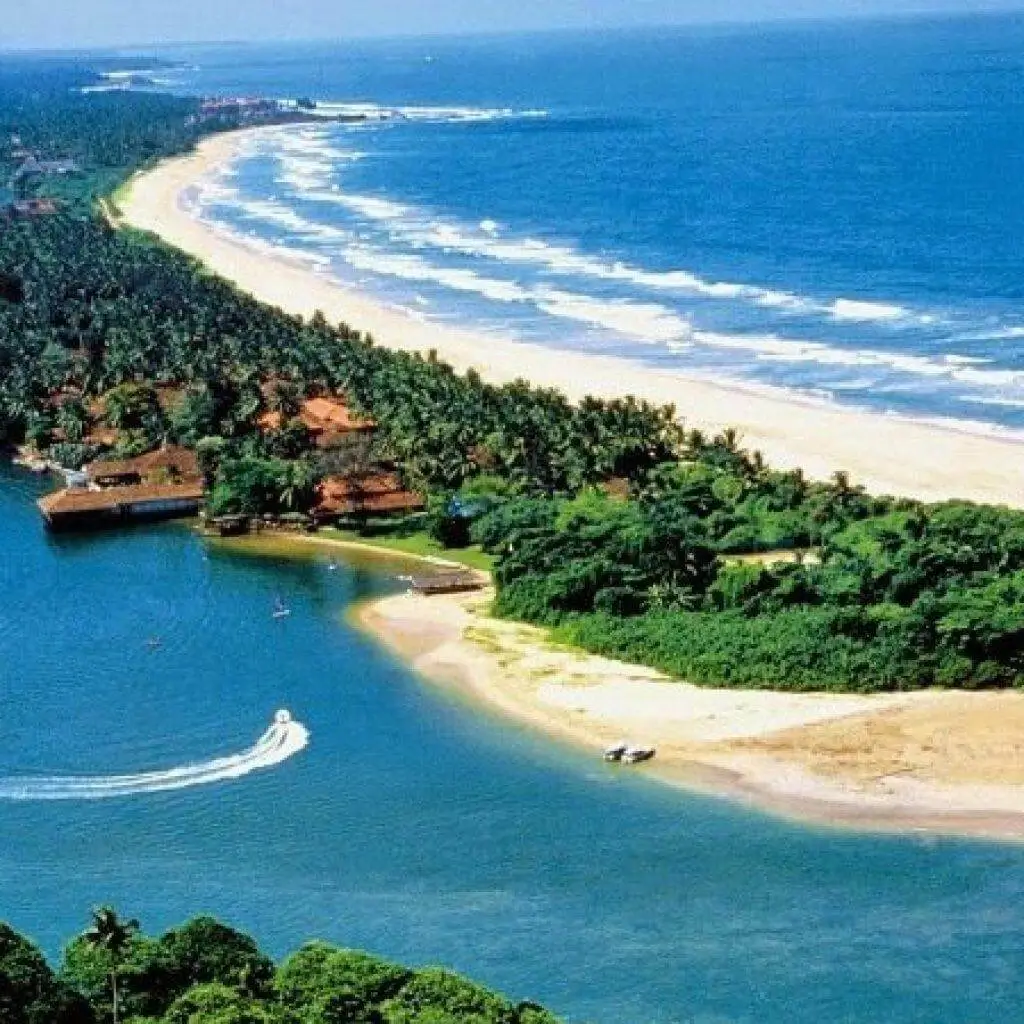
Wildlife tourism, a core component of “Wildlife Safaris” offered by Lanka Tour Host, has undergone a rigorous ethical transformation in 2026. To protect the island’s rich biodiversity, new regulations strictly enforce vehicle limits and safe distances in national parks such as Yala and Udawalawe.
| Conservation Initiative | 2026 Strategy and Implementation |
|---|---|
| Elephant Conservation | Transition to observing herds in natural habitats; ban on captive rides |
| Marine Protection | Blue Flag certification for major beaches; speed limits for whale watching |
| Coral Rehabilitation | Dedicated beach resorts in the East focusing on reef protection |
| Reforestation | Integration of tree planting into regenerative travel packages |
For the ethical traveler, this means the experience is less about the “trophy photo” and more about observing animal behavior in an undisturbed state. Lanka Tour Host capitalizes on this by using “Licensed guides” who can provide scientific and cultural context to these encounters, enhancing the educational value of the safari.
Culinary Tourism: A Narrative-Driven Gastronomic Journey
In 2026, food is no longer a peripheral part of the trip; it is a primary motivator. Colombo’s recognition as the 13th best food destination globally reflects the island’s success in marketing its diverse culinary heritage. The 2026 culinary scene is defined by a return to “heirloom” ingredients and the elevation of village-style cooking into fine-dining environments.
The Revival of Traditional Food Systems
The 2026 traveler seeks the “Rustic taste & Cultural tales” of the island. This involves immersive experiences that highlight the nutritional and spiritual balance of Sri Lankan cuisine.
- Heirloom Rice and Jackfruit: There is a focused interest in traditional rice varieties and the versatile use of jackfruit (kos), which provides protein and fiber.
- Clay Pot Cooking: High-end tours now include demonstrations of cooking over open wood fires using stone-ground spices, emphasizing the “magic” of slow, natural preparation.
- Jaffna’s Tamil Cuisine: The Northern Peninsula has become a pilgrimage site for foodies, offering distinct dishes like red rice string hoppers, Pittu, and crab curries that reflect the region’s unique cultural identity.
Lanka Tour Host integrates these culinary insights into its “Cultural Tours,” ensuring that guests don’t just eat at tourist restaurants but participate in “Market Tours” and “Cooking Classes with Grannies” to understand the origin of flavors.
Off-the-Beaten-Path: Exploring the Northern and Eastern Frontiers
To prevent the over-saturation of Southern hotspots, the 2026 tourism strategy has aggressively promoted the “North and East”. These regions offer a “Cultural Journey” that is distinctly different from the Sinhalese-Buddhist heartland of the South.
Jaffna: The Cultural Capital of the North
Jaffna, recognized as one of the most exciting destinations of 2026 by Lonely Planet, serves as the gateway to Tamil culture. The region’s isolation during the civil conflict has preserved a unique aesthetic and social fabric that is now accessible via upgraded aviation and rail links.
- Historical Sites: Visitors can explore the 17th-century Jaffna Fort, the Nallur Kandaswamy Temple with its vibrant festivals, and the remote Delft Island, where wild ponies roam among coral-walled houses.
- Unusual Geography: The Sanguppidi Bridge and causeway offer travelers the unique experience of driving through massive lagoons, a stark contrast to the mountainous landscapes of the center.
- Mannar: This northern outpost is gaining traction for its birdwatching, ancient baobab trees, and its role as a peaceful retreat far from the standard tourist path.
The East Coast: Pristine Beaches and Marine Secrets
The Eastern beaches—Trincomalee, Passikudah, and Batticaloa—are marketed in 2026 as quieter, white-sand alternatives to the Southern coast.
Trincomalee: Known for whale watching and the Koneswaram Temple perched on a cliff, it is also a hub for coral snorkeling and historical exploration of its natural harbor.
Gal Oya and Vedda Heritage: For those seeking the “ultimate hidden gem,” Gal Oya National Park offers boat safaris where elephants swim between islands. It is also one of the few places where travelers can meet the indigenous Vedda tribe in a respectful, community-managed setting.
Lanka Tour Host’s focus on “untouched nature” and “hidden gems” is particularly relevant here, as these regions require expert logistical planning and “Safe & Insured Rides” through less-developed terrain.
The 2026 Rail Revolution: Luxury on the Tracks
Rail travel has seen a global resurgence in 2026, and Sri Lanka has positioned itself at the center of this “slow travel fantasy”. The railway is no longer just a commuter service but a moving viewing gallery of the island’s interior.
Iconic Routes and Specialized Services
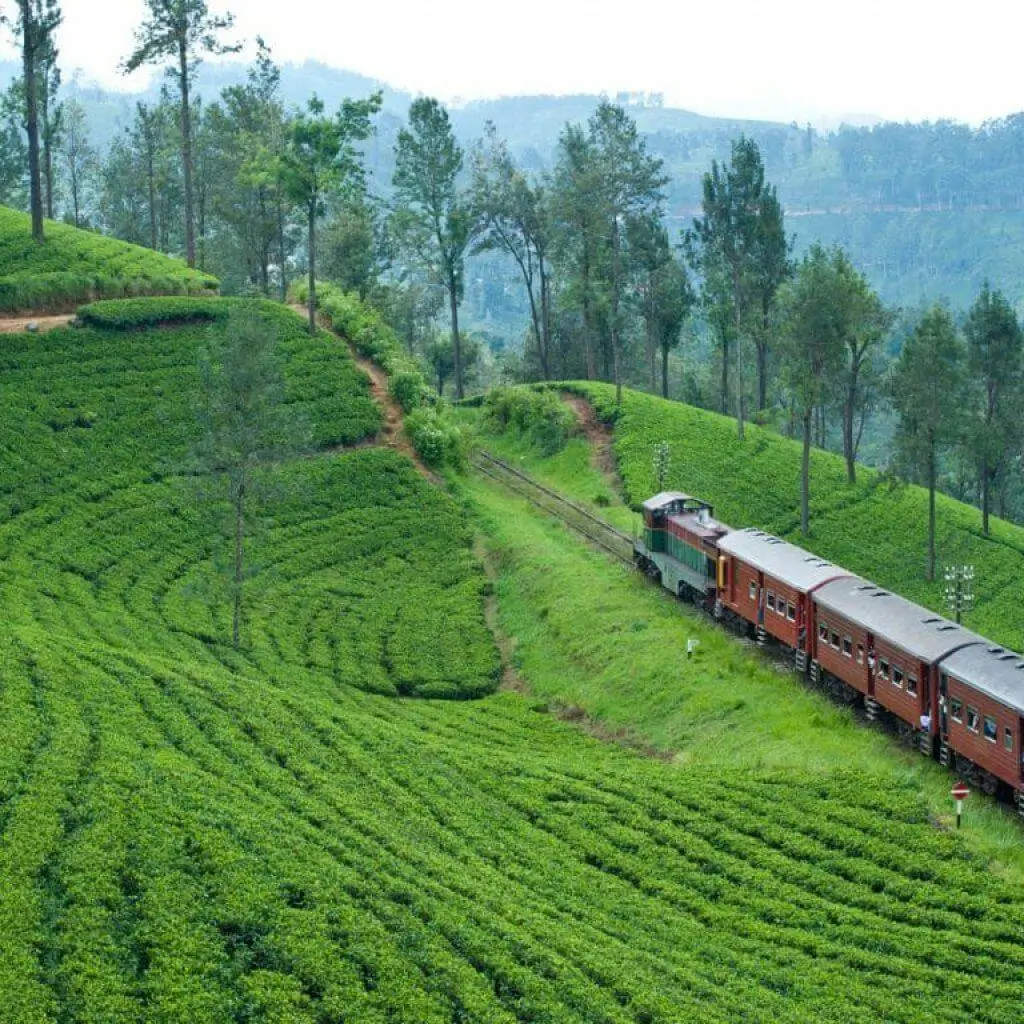
The “Main Line” from Kandy to Ella remains the world’s most recognizable scenic route, winding through tea plantations, mountains, and waterfalls. In 2026, this experience has been elevated through specialized tourist trains.
The Ella Odyssey: Launched to cater specifically to tourists, this train makes strategic stops at iconic viewpoints like the Nine Arches Bridge and the Demodara Loop, allowing for photography and exploration. (Still under construction. Please check before your visit)
The Viceroy Special: This luxury private train, operating a 19th-century themed service, offers a “hotel on rails” experience with air-conditioned lounge cars, fine dining, and on-board massages.
Colombo to Galle: The coastal intercity express offers stunning sunset views of the Indian Ocean, making it a favorite for “Instagram-worthy” photography and weekend escapes.
| Train Route | Duration (Approx.) | Highlight Experience |
|---|---|---|
| Kandy to Ella (Under construction) | 6-7 Hours | Lush tea estates; sitting in the open doorway; Nine Arches Bridge |
| Colombo to Galle | 2.5 Hours | Oceanfront travel; fishing villages; colonial forts |
| Nanu Oya to Badulla | 3 Hours | Breathtaking engineering spirals and soaring viaducts |
| Colombo to Kandy | 2.5 Hours | Rapid ascent into the Hill Country; high-speed “Viceroy II” option |
For Lanka Tour Host clients, these rail journeys are often integrated into larger private tours. The “Airport Transfer” picks up guests in Colombo, drives them to the station, and the private driver meets them at their destination station with their luggage, ensuring a seamless, luggage-free rail experience.
Event-Driven Tourism: The ICC T20 Men’s World Cup 2026
A major catalyst for the 2026 tourism surge was the co-hosting of the ICC Men’s T20 World Cup with India from February 7 to March 8. This global event attracted over 100,000 spectators to the venues during the opening weekend alone, showcasing the island’s ability to host world-class sporting spectacles.
Venues, Logistics, and Cultural Integration
Sri Lanka hosted 22 of the tournament’s 55 matches across three primary venues. The R. Premadasa Stadium in Colombo served as the central hub, designated to host a semi-final and the final if Pakistan qualified, highlighting the complex diplomatic and logistical planning involved.
| Stadium Name | Location | Capacity | Match Count |
|---|---|---|---|
| R. Premadasa Stadium | Colombo | 35,000 | 10 Matches (Inc. Knockouts) |
| Pallekele International | Kandy | 35,000 | 7 Matches |
| Sinhalese Sports Club (SSC) | Colombo | 10,000 | 5 Matches |
The “Fan Voyage” trend saw travelers pairing cricket matches with “Wellness retreats” and “Heritage site tours,” utilizing the island’s compact geography to balance high-adrenaline sports with relaxation. Lanka Tour Host’s specialization in “Shore Excursions” and “Group Tours” was particularly valuable during this period, managing the logistics for international supporters traveling between Colombo and Kandy.
The Unusual and the Authentic: A Guide to Sri Lanka’s Hidden Curiosities
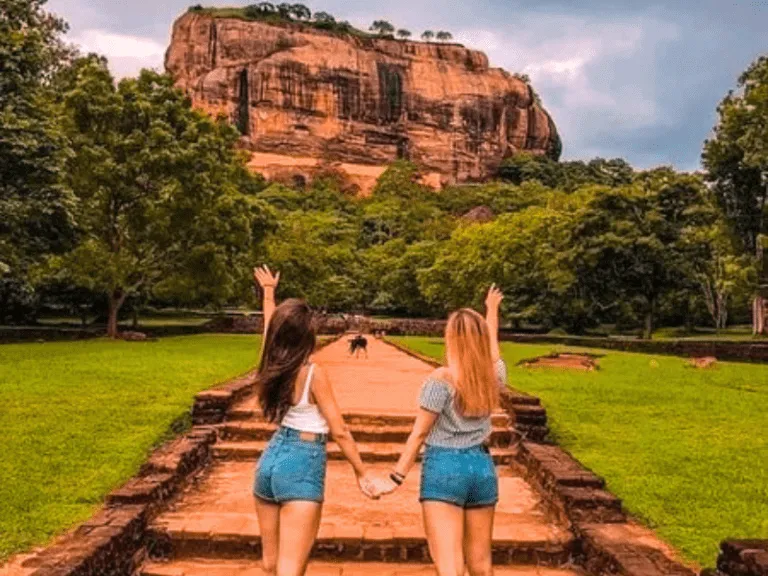
Beyond the major UNESCO sites like Sigiriya and the Temple of the Tooth, the 2026 traveler is increasingly drawn to “cool, hidden, and unusual” experiences as documented by Atlas Obscura. These offbeat attractions provide the “original insights” that define the Lanka Tour Host brand.
Architectural and Cultural Rarities
- Red Mosque (Jami Ul-Alfar): Located in the heart of Colombo’s Pettah market, this building is known for its hypnotic red-and-white patterns and serves as a prime example of the city’s multi-cultural history.
- Brief Garden: Created by Bevis Bawa, this lush landscape masterpiece offers a more intimate, artistic alternative to the crowded Royal Botanical Gardens.
- Demon Dancing: Exploring the traditional “kankariya” dance rituals used for banishing illnesses in remote jungle villages provides a deep dive into the island’s spiritual subcultures.
- Angampora: The indigenous martial art, once banned by colonial powers, is seeing a revival in 2026, with demonstrations available for those interested in historical combat traditions.
Niche Industry and Sustainability Icons
Elephant Poop Paper: Repurposing elephant dung into artisanal paper pulp is a prime example of the “regenerative” mindset, offering a unique souvenir that supports conservation.
Beethoven-Blasting Bread Trucks: The iconic mobile bakeries that notify customers of fresh bread via the music of “Für Elise” have become a quirky, celebrated symbol of daily Sri Lankan life.
Professional Guiding and the “Lanka Tour Host” USP
In a crowded market with over 8 million listings globally, the “Best of the Best” distinction—awarded to less than 1 percent of travel services—is what distinguishes professional hosts. Lanka Tour Host’s brand is built on a foundation of “Independence” and “Professionalism,” offering a level of bespoke care that generic hotel-provided drivers often lack.
The Value of the Private Host
Reddit forums and travel blogs in 2026 consistently emphasize that the quality of the “Driver-Guide” is the single most important factor in a successful Sri Lanka trip. A professional host provides more than just transport; they act as a “Cultural Translator” and “Safety Guardian”.
- Transparency and Trust: Lanka Tour Host’s commitment to “No hidden costs” and “Fixed rates” addresses the primary anxiety of tourists—financial surprises during the journey.
- Logistical Expertise: Navigating the “dual monsoon system” (deciding which coast to visit in which month) and managing “Airport Transfers” with GPS tracking ensures a stress-free experience for the “Solo Female Traveler” or the “Family on Holiday”.
- Bespoke Planning Tools: The “modern planning page” on the Lanka Tour Host website allows travelers to create their own “Tailor-Made Private Day Trips,” selecting hotels and activities that match their specific “Honeymoon” or “Adventure” budget.
| Service | What we offer | What you get |
|---|---|---|
| Logistics | Safe & Insured Rides; GPS Tracking | Peace of mind for solo and business travelers |
| Heritage | Licensed guides for UNESCO sites | Deep historical context; bypassing unofficial guides |
| Sustainability | Low-impact itineraries; community links | Ethical alignment for regenerative-minded travelers |
| Niche Markets | Ramayana Tours; Shore Excursions | Specialized expertise for religious or cruise guests |
Strategic Wellness and the Future of “Slow Travel”
Looking beyond 2026, the industry is moving toward “Hands-off Exclusivity,” where the luxury is not in opulence but in “ease”. This involves a seamless orchestration of experiences that relieve the traveler of decision-making.
Digital Detox and Holistic Immersion
The 2026 “Wellness” trend is increasingly moving into “tranquil forests” and “tea estates” to remove digital noise. These settings reconnect guests with nature through internal balance rather than commercialized massages.
Sound Healing: Utilizing traditional instruments in forest pavilions.
Buddhist Silence Walks: A sensory and spiritual journey led by monks through temple gardens.
Indigenous Medicine: Leveraging Sri Lanka’s unique Ayurvedic traditions—different from those in India—which are deeply tied to the local flora and cultural identity.
Conclusion: Synthesis and Actionable Recommendations for 2026 Travel
The analysis of the 2026 Sri Lankan tourism landscape confirms a destination that has matured into a world-class player, balancing high-tech infrastructure with deep-rooted heritage. The integration of the Digital Nomad Visa has lengthened visitor stays, while the push for regenerative tourism has elevated the ethical standards of every interaction.
For travelers planning a private holiday, the following conclusions emerge:
- De-seasonalization via Geography: Travelers should utilize the island’s dual monsoon system and improved domestic aviation to explore the East Coast when the South is raining, ensuring a year-round “perfect” holiday.
- The Dominance of Professionalism: In an era of smart travel and AR, the human “Private Host” remains the most critical asset for safety, authentic connection, and bypassing the standardized “tourist trail”.
- Regenerative as the New Luxury: Luxury is redefined as the ability to “contribute” to a destination, making village tours, community-led wildlife safaris, and indigenous culinary experiences the most sought-after bookings.
Lanka Tour Host builds private holidays on independence, genuine experiences and licensed expertise: a driver-guide who knows the island, a plan shaped around you, and the freedom to go beyond the usual tourist trail. To start planning, tell us your dates and interests on our tailor-made tours page, or look at our Sri Lanka private tours.
 1 Day
1 Day 1 Day
1 Day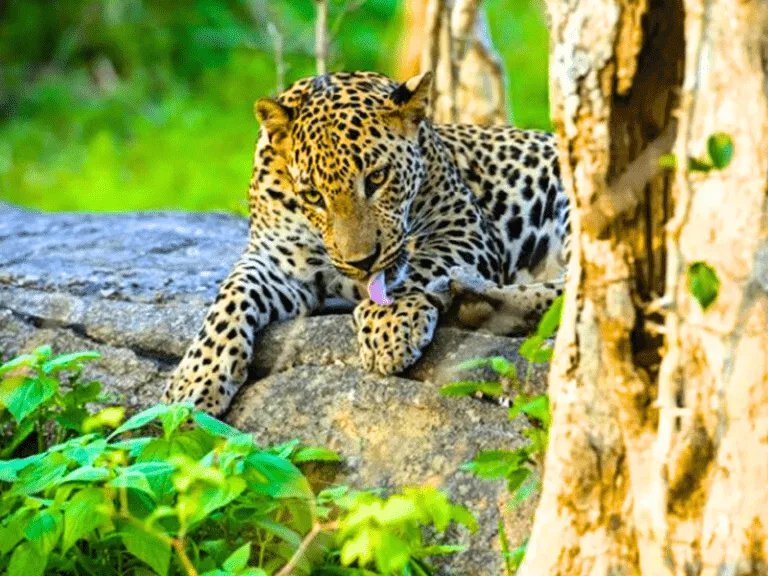 1 Day
1 Day


Comment (0)