

Sri Lanka Travel 2026 – Introduction
The global travel ecosystem in 2026 is undergoing a fundamental restructuring, characterized by a departure from high-volume, low-engagement tourism toward models of regenerative impact and deep cultural immersion. Sri Lanka, having emerged from a period of significant socio-economic recalibration, now stands at the vanguard of this transformation. The island nation is no longer perceived as a mere recovery story but as a premier, stand-alone destination that successfully balances the preservation of its eight UNESCO World Heritage Sites with the demands of a high-tech, AI-driven traveler base. The year 2026 is projected to be historic, with the Sri Lanka Tourism Development Authority targeting 2.6 million arrivals and a revenue goal of US$5.5 billion, underpinned by a robust 30 percent year-on-year growth trajectory. This evolution is supported by massive infrastructure investments, including the expansion of Bandaranaike International Airport to accommodate 10 million additional passengers and the modernization of rail networks, most notably a high-speed link reducing the Colombo-to-Kandy transit to under 90 minutes.
Macro-Economic Tourism Forecast and Infrastructure Development
The fiscal year 2026 represents the apex of Sri Lanka’s “Rising Star” status in Asia. Recognized as the fifth best place to visit in Asia by U.S. News & World Report and featured prominently on Travel + Leisure’s list of the 50 Best Places for 2026, the country is leveraging its compact geography to offer unparalleled variety. This variety—stretching from golden coastlines to misty highlands and ancient jungle monasteries—is being made more accessible through transformative infrastructure. Domestic aviation frequencies have increased, cutting travel times from eight hours to 45 minutes for key routes, effectively decentralizing the tourism economy and reducing the pressure on southern hotspots.
| Economic Indicator | 2025 (Estimated) | 2026 (Projected) | Source |
|---|---|---|---|
| Total Tourist Arrivals | 2.0 Million | 2.6 Million | 3 |
| Total Tourism Revenue | $4.2 Billion | $5.5 Billion | 3 |
| Year-on-Year Growth | 24% | 30% | 3 |
| Airport Capacity Expansion | Baseline | +10 Million Passengers | 3 |
| Primary High-Speed Rail Link | In Development | Colombo-Kandy (<90 min) | 4 |
The government’s “Free Visa Initiative,” set to be fully operational in the first quarter of 2026, is expected to revolutionize arrivals by removing entry friction for key source markets. This move is complemented by a strategy to smooth out seasonality. Historically, the months from May to September saw significant dips in arrivals. In 2026, the emphasis on the Eastern Province’s “Maha” season and the Northern Province’s cultural events aims to ensure year-round occupancy.
The Psychology of the 2026 Traveler: Decision Detox and Untrending
A pivotal shift in consumer behavior for 2026 is the “Decision Detox.” Modern travelers are suffering from an overload of choices, leading to a demand for “decision-free getaways”. This has created a golden opportunity for boutique hotels and retreat centers to offer curated, all-inclusive packages where every detail, from Ayurvedic meals to guided meditation and local excursions, is pre-arranged. This trend particularly resonates with high-performing professionals and women who traditionally manage family logistics, allowing them to fully disengage and find genuine rest.
Parallel to this is the “Untrending” movement. As traditional hotspots struggle with the visual homogenization caused by social media, a new segment of travelers is seeking places that remain “untouched by mass tourism”. In Sri Lanka, this is manifesting as a surge in interest for the Northern and Eastern provinces. Skyscanner’s 2026 data highlights Jaffna as the top trending destination for APAC travelers, driven by its unique Tamil heritage and religious tourism appeal. This shift is not accidental; it is a conscious effort by the Sri Lanka Tourism Alliance to promote “lesser-visited gems” like the Knuckles Mountain Range alongside iconic locations like Ella and Galle.
Regenerative Tourism: Beyond Sustainability to Restoration
By 2026, the concept of “Sustainability” has been superseded by “Regenerative Tourism.” While sustainability seeks to minimize harm, regenerative travel aims to leave a destination in a measurably better state than it was found. This philosophy is deeply integrated into the Sri Lankan 2026 model, with over 150 properties already certified by the Global Sustainable Tourism Council. Travelers are no longer passive observers; they are active participants in conservation. Eco-lodges in areas like Gal Oya and Sinharaja offer immersive experiences where guests participate in tree planting, water conservation, and community-based farming.
Regenerative hospitality in Sri Lanka focuses on the restoration of local “assets,” including intangible heritage. Traditional practices like the “Devil Dance” and indigenous cooking sessions are being revived not as performances for tourists, but as community-led initiatives that strengthen local identity. This approach ensures that tourism dollars directly support rewilding projects, coral restoration in Trincomalee, and the preservation of village lifestyles, creating a transparent economic benefit for local populations.
The Northern Frontier: Jaffna and Mannar Island
The North is the “Rediscovered Beauty” of 2026. After decades of limited access, regions like Jaffna and Mannar Island are now welcoming visitors who crave authenticity over convenience. Jaffna, the cultural capital of the Northern Province, offers a distinct contrast to the Sinhalese-dominated south. It is a city of vibrant Hindu temples, colonial forts, and a culinary tradition characterized by odiyal dishes and spicy crab curries.
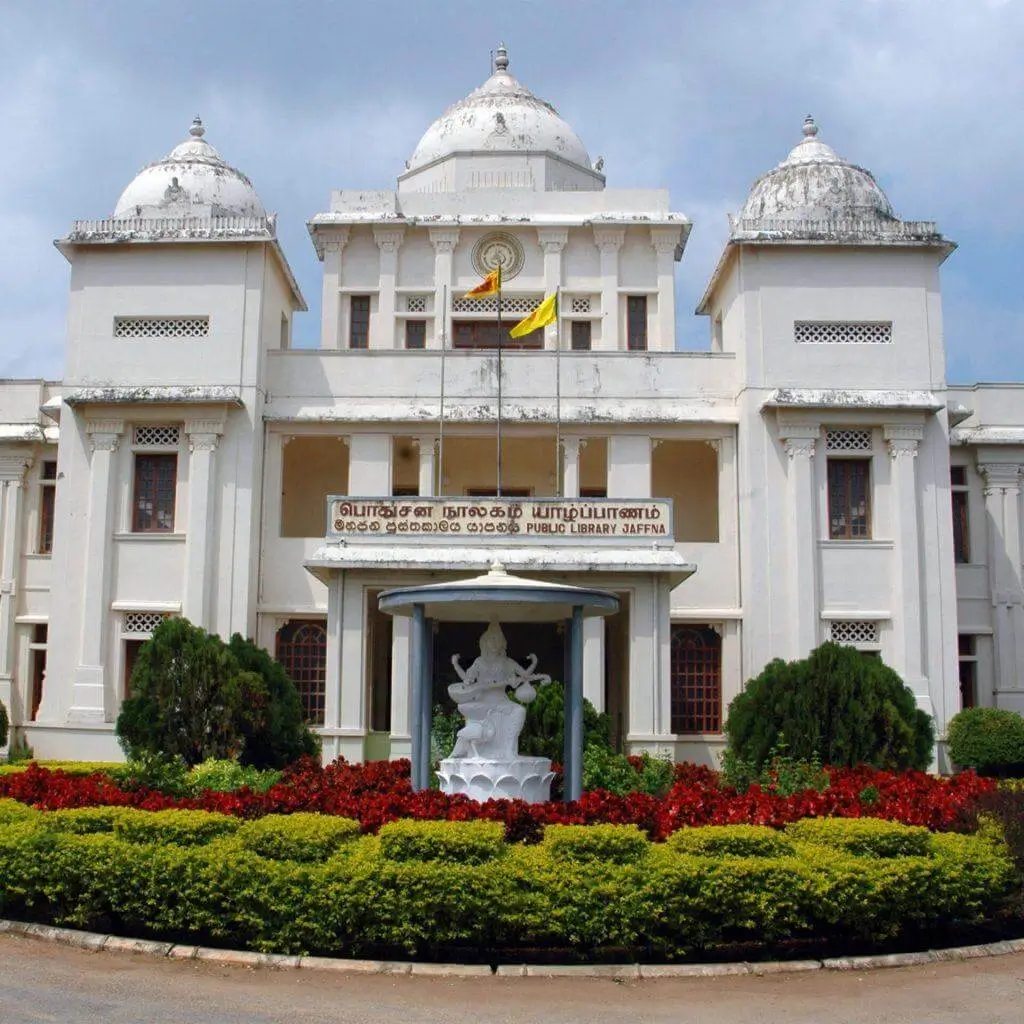
Jaffna: A Cultural Gem
Jaffna’s inclusion in Lonely Planet’s “Best in Travel 2026” marks its transition into the global spotlight. The Nallur Kandaswamy Kovil, a 15th-century Hindu temple, remains the spiritual heart of the city, especially during the Nallur Festival in August. The city also features the historic Jaffna Public Library and the Jaffna Fort, which offers sunset views over the Palk Strait. Beyond the city, Delft Island provides a tranquil retreat with its coral-fenced houses and wild horses, accessible via a short ferry ride.
Mannar Island and Nature Tourism
Mannar Island is emerging as a sanctuary for “Serious Twitchers” and nature lovers. Known for its ancient baobab trees and migratory flamingos, the island offers peaceful coastal walks and a sense of remote serenity. The Doric Bungalow, the ruins of the first Governor’s house, and the ancient path of Rama (Adam’s Bridge) add a layer of historical mystique to the landscape. For many, Mannar represents the pinnacle of “Untrending”—a place where one can encounter the ends of the earth without the crowds typical of southern beaches.
| Northern Destination | Key Attraction | Notable Experience |
|---|---|---|
| Jaffna City | Nallur Kandaswamy Kovil | August Nallur Festival |
| Jaffna Fort | Portuguese/Dutch Ruins | Sunset from ramparts |
| Delft Island | Coral Houses/Wild Horses | Cycling tours and home-cooked meals |
| Mannar Island | Baobab Trees/Flamingos | Birding safaris and Rama’s Bridge |
| Casuarina Beach | Pristine Coastline | Remote beach exploration |
The Pekoe Trail: A 300km Journey Through the Highlands
The Pekoe Trail is perhaps the most significant new tourism product for 2026. As Sri Lanka’s first long-distance walking trail, this 300-kilometer route traverses the Central Highlands, linking Kandy to Nuwara Eliya through 22 meticulously curated stages. Developed with EU support and stewarded by The Pekoe Trail Organization (TPTO), the trail promotes low-impact, eco-friendly tourism that directly benefits the tea-growing communities.
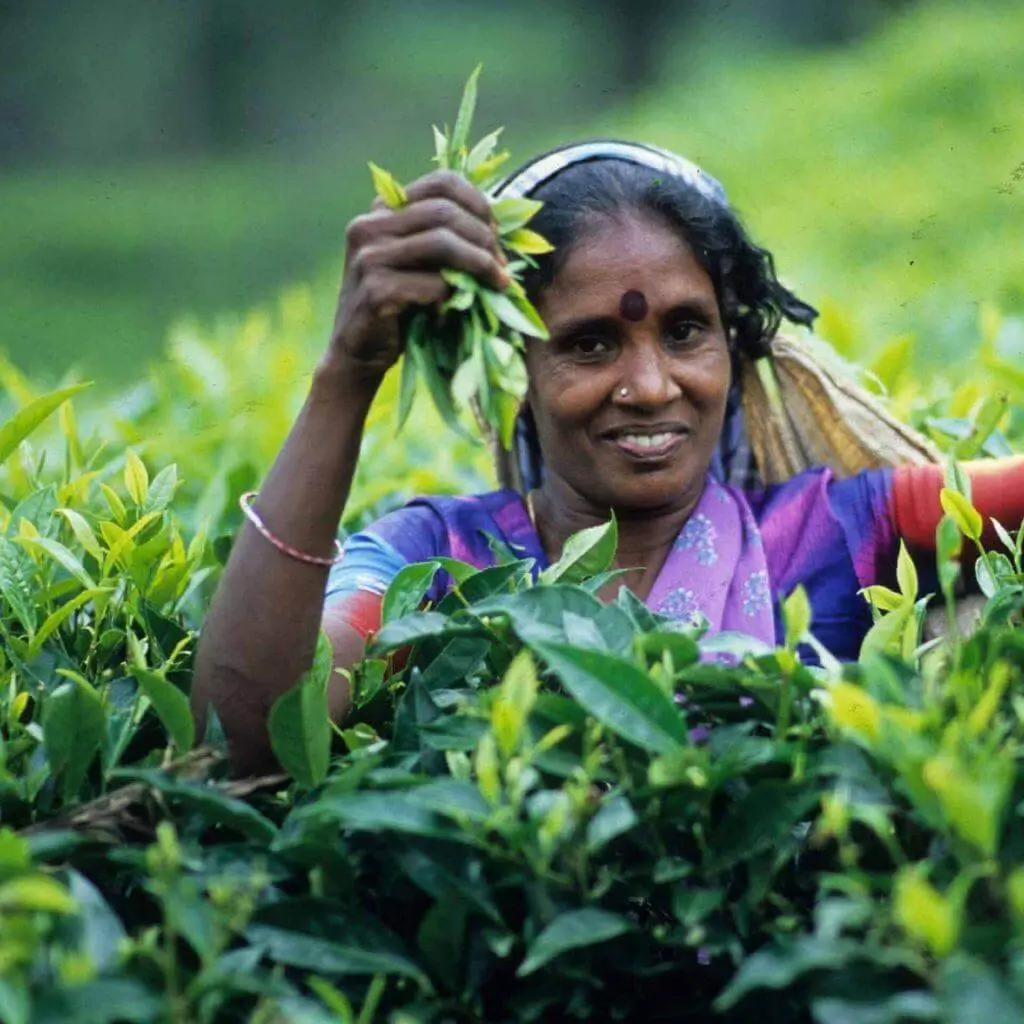
Detailed Stage Analysis
The trail is designed to be completed in sections or as a multi-day experience. Each stage offers a unique thematic immersion, from heritage tea regions to misty mountain forests.
| Stage Range | Starting Point | Ending Point | Distance | Terrain/Difficulty |
|---|---|---|---|---|
| Stage 1 | Hanthana | Galaha | 12.8 km | Easy; Spice gardens & tea history |
| Stage 2 | Galaha | Loolkandura | 14.7 km | Difficult; Slippery, leech-active |
| Stage 10 | Dayagama | Horton Plains | 15.8 km | Difficult; Cold, misty, UNESCO site |
| Stage 12 | Udaweriya | Haputale | 19.6 km | Difficult; Overgrown, mountain ridges |
| Stage 16 | Ella | Demodara | 9.5 km | Easy; Iconic railway architecture |
| Stage 22 | Kandapola | Nuwara Eliya | 11.3 km | Moderate; Gentle finish into town |
Stage 10 is widely considered a highlight, passing through Horton Plains National Park and offering views from “World’s End”. Stage 12 is celebrated for its traversal of the Lipton’s Seat region, where hikers walk through estates planted by Sir Thomas Lipton himself. The trail has also introduced a specialized “Wellness Collection” in partnership with Frella International, featuring natural leech repellents and sleep-enhancing balms crafted from local ingredients like citronella and King coconut oil. Proceeds from these products directly fund the trail’s maintenance and community projects, closing the regenerative loop.
Wellness Tourism: Indigenous Traditions and Holistic Healing
In 2026, wellness travel has evolved beyond superficial spa treatments to a holistic sensory and spiritual journey rooted in Sri Lanka’s heritage. The island’s centuries-old Ayurvedic traditions and Buddhist monastic practices are being integrated into modern retreat models. Wellness resorts are moving away from commercial zones and into tranquil forests and tea estates, designed to remove “digital noise” and promote internal balance.
New offerings for 2026 include:
- Digital Detox Retreats: Lodges where guests surrender phones for deep meditation.
- Sound Healing Therapy: Using ancient instruments in jungle pavilions or near natural water bodies.
- Buddhist Silence Walks: Led by monks through temple trails and sacred gardens.
- Herbal Medicine Workshops: Where visitors learn to prepare Ayurvedic remedies with local doctors.
This localized character of wellness, distinct from India’s Ayurveda, emphasizes indigenous medicine (Hela Vedakam) and spiritual practices, making it a “stand-alone destination” for well-being.
The Digital Nomad and Co-Working Ecosystem
Sri Lanka is positioning itself as a primary hub for digital nomads in 2026, offering long-term visas and a growing infrastructure of co-living spaces. While the southern coast (Weligama, Mirissa, Hiriketiya) remains the most established hub, the East Coast (Arugam Bay) and the Northern and Central regions are expanding their capacity.
Notable nomad-friendly locations for 2026:
- Ahangama: A laid-back town known for boutique cafes and creative energy.
- Hiriketiya: Often called “Hiri,” this bay offers a barefoot beach vibe and mellow surf.
- Arugam Bay: Shines from April to September with emerging co-working cafes like HomeWork by Gypcey Lounge.
- Kandy: Offers urban co-working options like Office One and ARCADE.
The appeal for nomads in 2026 lies in the “livable cost structure” and the “Global Community” that has formed around these surf and work hubs.
Seasonal Planning and Activity Guide for 2026
The diversity of Sri Lanka’s climate allows for year-round tourism, provided the itinerary is aligned with the monsoon cycles. In 2026, the strategy is to promote “Off-Peak” travel to take advantage of lower prices and fewer crowds.
| Month | Region | Recommended Activity | Tourist Volume |
|---|---|---|---|
| January | West/South | Galle Literary Festival; Whale Watching | High (Peak) |
| February | South/Hill | Beach Holidays; Cultural Tours | High (Peak) |
| May | Island-wide | Vesak Festivities; Wellness Retreats | Low (Deals) |
| August | North/Kandy | Nallur Festival; Kandy Esala Perahera | High (Peak) |
| September | East Coast | Surfing in Arugam Bay; Bird Watching | Low (Deals) |
| December | South Coast | Christmas/New Year on Beach; Wildlife | High (Peak) |
Adventure and Culinary Tourism: Beyond the Basics
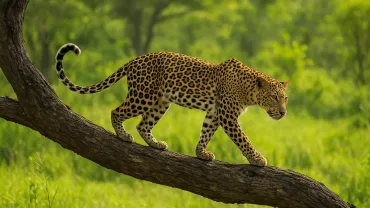
Adventure tourism in 2026 has expanded beyond surfing and basic trekking. The country is now a hub for hybrid trips that combine culture with adrenaline—such as dawn meditation at a monastery followed by a zipline tour through a rainforest. White-water rafting in Kitulgala and leopard safaris in the less-crowded Wilpattu National Park are gaining prominence as alternatives to more saturated parks like Yala.
Culinary tourism has reached a global palate. Food is no longer just a necessity; it is a primary driver for travel. Visitors are participating in “Seed-to-Table” experiences, selecting vegetables from organic hotel farms and cooking alongside village women. This hands-on approach creates an emotional impact that extends far beyond the duration of the trip, confirming Sri Lanka’s perception as a place where adventure and meaning intertwine.
Conclusion: The Integrated Strategic Outlook for 2026
The transformation of Sri Lankan tourism in 2026 is the result of a deliberate convergence between regenerative environmental practices and high-authority digital presence. The island has successfully moved from a “hidden gem” to a “stand-alone star” by embracing the complexities of the modern traveler—one who seeks a “Decision Detox” in the physical world but expects “Smart Travel” efficiency in the digital one.
Key takeaways for 2026:
- Regenerative is the new Sustainable: Brands must demonstrate a transparent, positive impact on local communities and ecosystems to earn the trust of the conscious 2026 traveler.
- Northern Expansion: The rediscovery of Jaffna and Mannar Island provides a critical safety valve for overtourism in the south while offering the “untouched” authenticity that the “anti-Instagram brigade” craves.
- Slow and Curated: The rise of the Pekoe Trail and curated wellness retreats indicates a move toward slower rhythms and deeper breaths. Travelers are choosing to participate in the rituals of a place rather than just witnessing them.
As infrastructure continues to expand and the “Free Visa Scheme” lowers entry barriers, Sri Lanka is set to hit its ambitious target of 2.6 million arrivals. By remaining committed to its multicultural roots and its spirit of resilience, the island will continue to rise as Asia’s premier destination for travelers seeking not just a change of scenery, but a change of perspective.
 1 Day
1 Day 1 Day
1 Day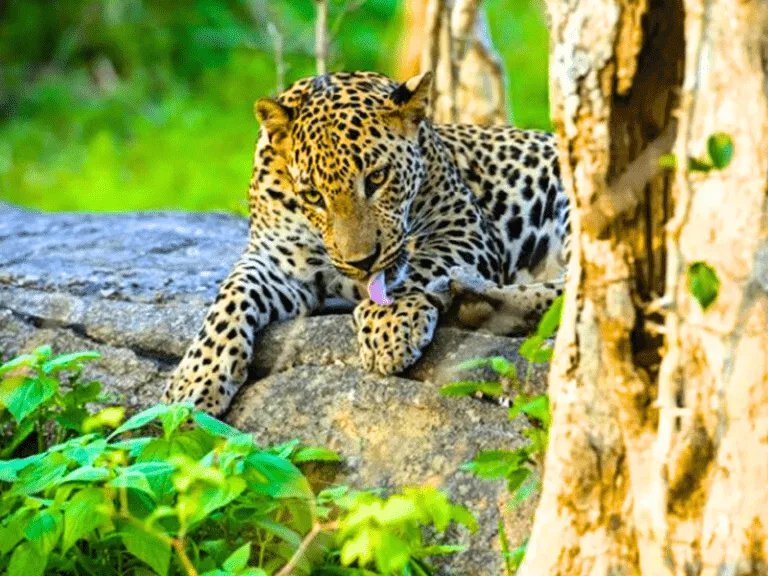 1 Day
1 Day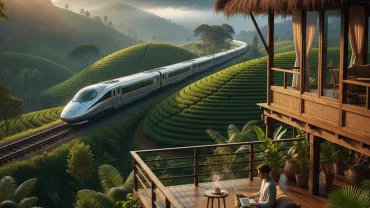


Comment (0)