

Introduction Sri Lanka Travel 2026, Sri Lanka visa-free entry 2026, Sri Lanka tourism trends.
The global travel landscape of 2026 marks a historic turning point for Sri Lanka. Emerging from a period of resilient recovery and ambitious infrastructure modernization, the island is no longer just a “bucket list” destination; it is positioning itself as Asia’s most accessible and technologically integrated travel hub. For travelers planning a visit in the first quarter of 2026, the experience is defined by three major shifts: the radical expansion of the visa-free regime to 40 markets, the launch of high-speed transit corridors, and a national movement toward regenerative, “untrending” travel.
Whether you are a digital nomad seeking a year-long sanctuary or a short-term visitor looking to maximize a 10-day itinerary, this comprehensive guide explores how to navigate the “new” Sri Lanka of 2026.
The Regulatory Revolution: 40-Country Visa-Free Entry
In a strategic move to stimulate tourism and simplify the traveler journey, the Sri Lankan government has formalized visa-free access for nationals from 40 key markets starting January 2026. This policy is designed to eliminate financial barriers while maintaining robust security through a modernized Electronic Travel Authorization (ETA) system.
Who Can Enter Visa-Free?
As of January 2026, travelers from the following 40 countries can obtain a free ETA for tourism purposes :
| Region | Countries Included |
|---|---|
| Europe | UK, Germany, France, Netherlands, Belgium, Spain, Switzerland, Austria, Italy, Poland, Czech Republic, Belarus, Sweden, Finland, Denmark 5 |
| Asia-Pacific | Australia, China, India, Indonesia, Japan, Malaysia, Thailand, South Korea, Nepal, Kazakhstan 5 |
| Middle East | UAE, Saudi Arabia, Kuwait, Qatar, Oman, Bahrain, Israel, Iran 5 |
| North America | United States, Canada 5 |
| Others | Russia, Pakistan 2 |
Important Compliance Note: While the visa fee is waived for these nationals, the ETA remains a mandatory requirement. Airlines are strictly enforcing a “no-boarding” policy for any passenger arriving without an approved ETA number. The ETA typically allows for a 30-day stay with double-entry facilities.
Extending Your Stay
For those who fall in love with the island’s pace, the 2026 visa framework allows for significant extensions. A standard 30-day tourist ETA can be extended in three stages: an additional 60 days (total 90), followed by two 90-day increments, allowing a maximum stay of up to 270 days. These extensions can be processed entirely online via the official e Services portal.
Infrastructure Modernization: The 2026 Connectivity Leap
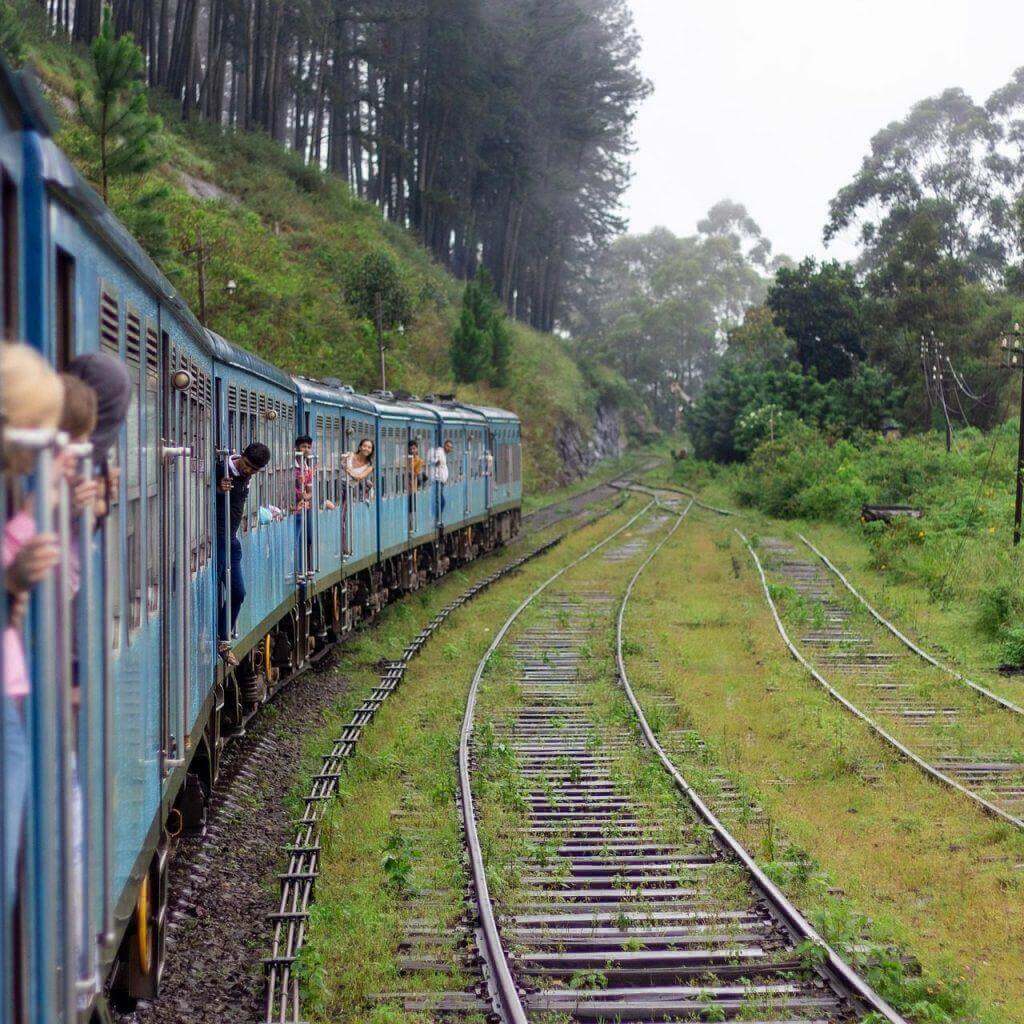
The historical challenge of “travel time fatigue” in Sri Lanka is being addressed through massive capital expenditure and the “Dream Destination” project, which has seen the renovation of 100 railway stations across the island to ensure passenger comfort and safety.
The Colombo-Kandy High-Speed Transit
The centerpiece of the 2026 transport strategy is the development of the island’s first high-speed rail corridor. Designed to connect the commercial capital, Colombo, to the cultural heart, Kandy, in under 90 minutes, this line fundamentally changes how travelers experience the “Cultural Triangle”.
- Hub-and-Spoke Travel: This speed allows travelers to maintain a base in Colombo’s luxury hotels while conducting deep-dive day trips to the Temple of the Tooth or the Royal Botanical Gardens, reducing the environmental footprint on Kandy’s historic center.
- Future Expansion: Plans are already advancing to extend this high-speed network to Dambulla and Polonnaruwa, bringing the entire UNESCO heritage belt within a three-hour radius of the capital.
Expressway Resumption
Parallel to rail upgrades, the Colombo-Kandy Expressway has resumed construction following a $500 million investment. This infrastructure provides a safe and predictable road alternative to the traditional A1 highway, which often faces congestion and weather-related delays.
Recovery after Cyclone Ditwah (early 2026)
The tourism sector of early 2026 is operating with a renewed focus on resilience following the climatic disruptions of late 2025. While Cyclone Ditwah and subsequent floods caused temporary damage, the recovery has been remarkably swift.
Railway Restoration Status at the End of 2025
As of late December 2025, the Sri Lanka Railways Department achieved approximately 79% track availability across the national network.
- January 1, 2026: Target for 80% track availability, including the introduction of regional tourist trains between Badulla and Ambewela.
- February 1, 2026: Target for 83% track availability, including the reopening of the Talaimannar Line.
- Coastal Line: Services between Colombo and Matara remained largely unaffected by the storms and are fully operational for the peak winter season.
Safety and Health Protocols
Traveling responsibly in Q1 2026 involves heightened awareness of health risks associated with recent flooding. Travelers are advised to use high-quality insect repellent to prevent mosquito-borne illnesses such as Dengue and to consume only treated or bottled water. Government authorities have prioritized the restoration of clean water systems in all major tourism hubs.
The Rise of Regenerative and “Untrending” Travel
A major shift in the 2026 travel forecast is the move away from “see-and-snap” tourism toward regenerative experiences—leaving a destination better than you found it.
The “Untrending” Movement
Travelers are increasingly seeking alternatives to overcrowded hotspots like Ella and Mirissa. In 2026, the focus has shifted to:
- Jaffna and the North: Emerging as a cultural capital for Tamil cuisine, Hindu temple architecture, and uncrowded islands.
- The Knuckles Mountain Range: A hub for “anti-Instagram” hikers who prioritize raw nature and off-grid luxury over staged photos.
- Batticaloa and Pasikudah: Dubbed the “next big thing” for families and digital nomads seeking “Blue Health” escapes—the psychological benefits of being near the water.
Regenerative Initiatives
Many eco-lodges in Gal Oya and Sinharaja now offer participatory conservation programs. Guests can engage in coral restoration in Kalpitiya, tree planting in the highlands, or water conservation projects alongside local farming communities.
The 2026 Digital Nomad Residency
Sri Lanka has become one of the most cost-effective hubs for remote work globally with the full rollout of its Digital Nomad Visa (DNV) in 2026.
- Cost: $500 USD (covers the applicant, spouse, and dependents).
- Validity: One year, with the possibility of renewal.
- Requirements: A minimum monthly income of $2,000 USD from foreign sources, channeled through the Sri Lankan banking system.
- Tax Benefits: Non-resident tax status means foreign-sourced income is not taxed locally, provided you do not work for a Sri Lankan entity.
The DNV has spurred the growth of co-working communities in coastal areas like Weligama and Hiriketiya, as well as emerging hubs in Trincomalee.
2026 Cultural Calendar: Key Events for Q1 Travelers
The first quarter of 2026 is rich with cultural and religious significance. Travelers should plan their logistics around these public holidays, as domestic travel increases and certain restrictions apply.
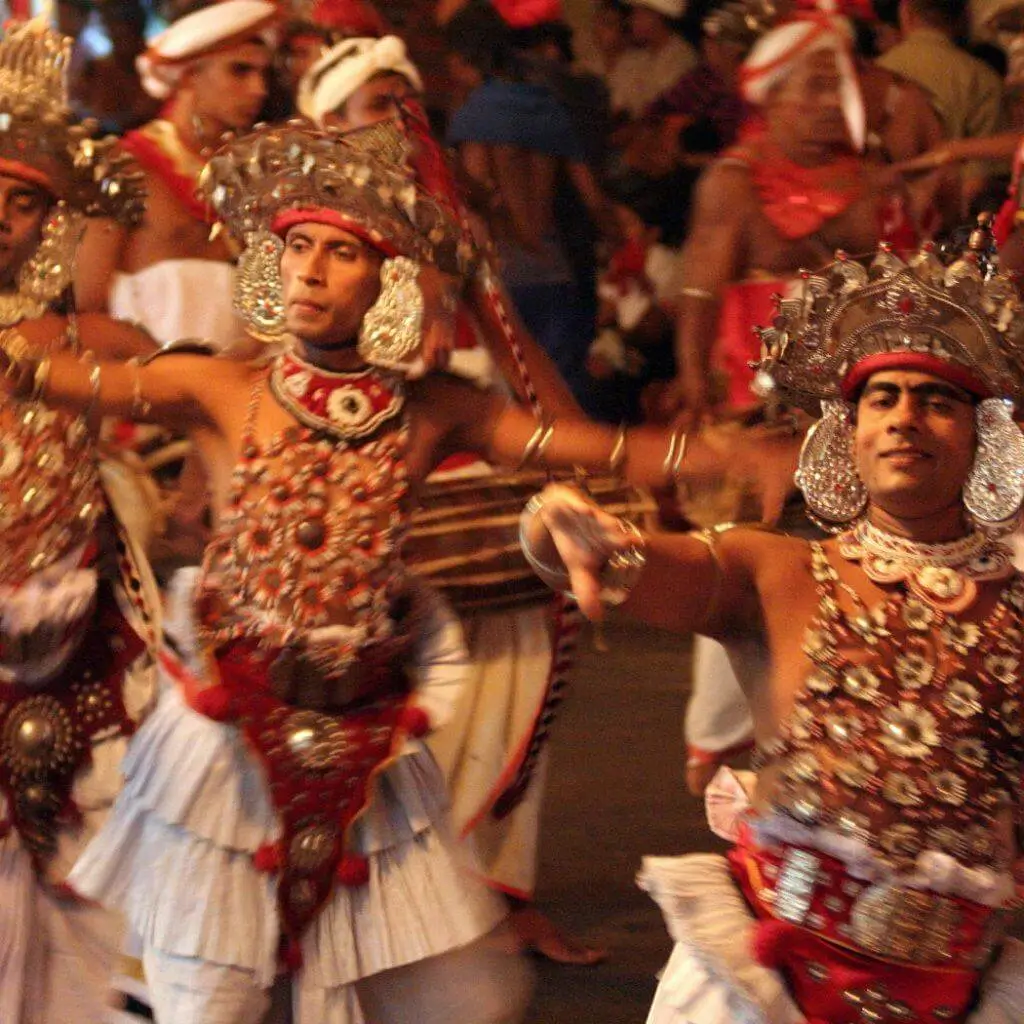
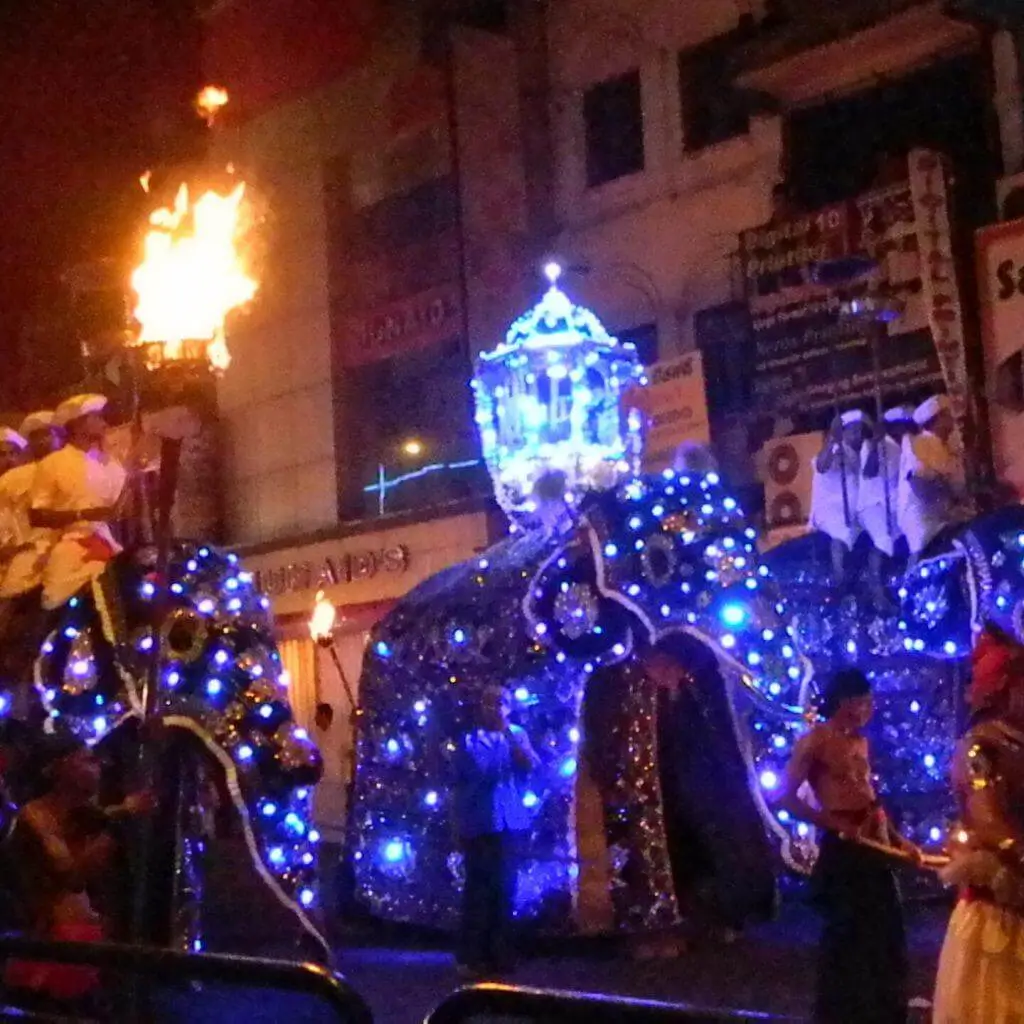
- Duruthu Full Moon Poya (January 3, 2026): Marks the Buddha’s first visit to Sri Lanka. The Duruthu Perahera at the Kelaniya Temple is a spectacular display of traditional dance and drummers.
- Thai Pongal (January 15, 2026): A Hindu harvest festival celebrated with colorful “Kolam” floor art and the cooking of the ritual Pongal rice dish.
- Independence Day (February 4, 2026): The 78th anniversary of independence, featuring grand parades and cultural performances in Colombo.
- Mahasivarathri (February 15, 2026): A night of devotional vigils and ceremonies dedicated to Lord Shiva in Hindu temples across the island.
Pro-Tip: All Poya days are dry days where the sale of alcohol and raw meat is prohibited. Most businesses and schools will be closed.
Strategic Itinerary: The 14-Day “Hybrid” Model
Given the infrastructure changes and post-cyclone status, the most effective way to navigate the island in 2026 is through a “Hybrid” model: combining private drivers for flexibility and high-speed rail for efficiency.
| Days | Location | Mode | Strategic Objective |
|---|---|---|---|
| 1-2 | Colombo | Arrival | Explore the revitalized “heritage districts” and smart museums. |
| 3-4 | Kandy | High-Speed Rail | Use the < 90 min rail to reach the Temple of the Tooth; hike the Hanthana range. |
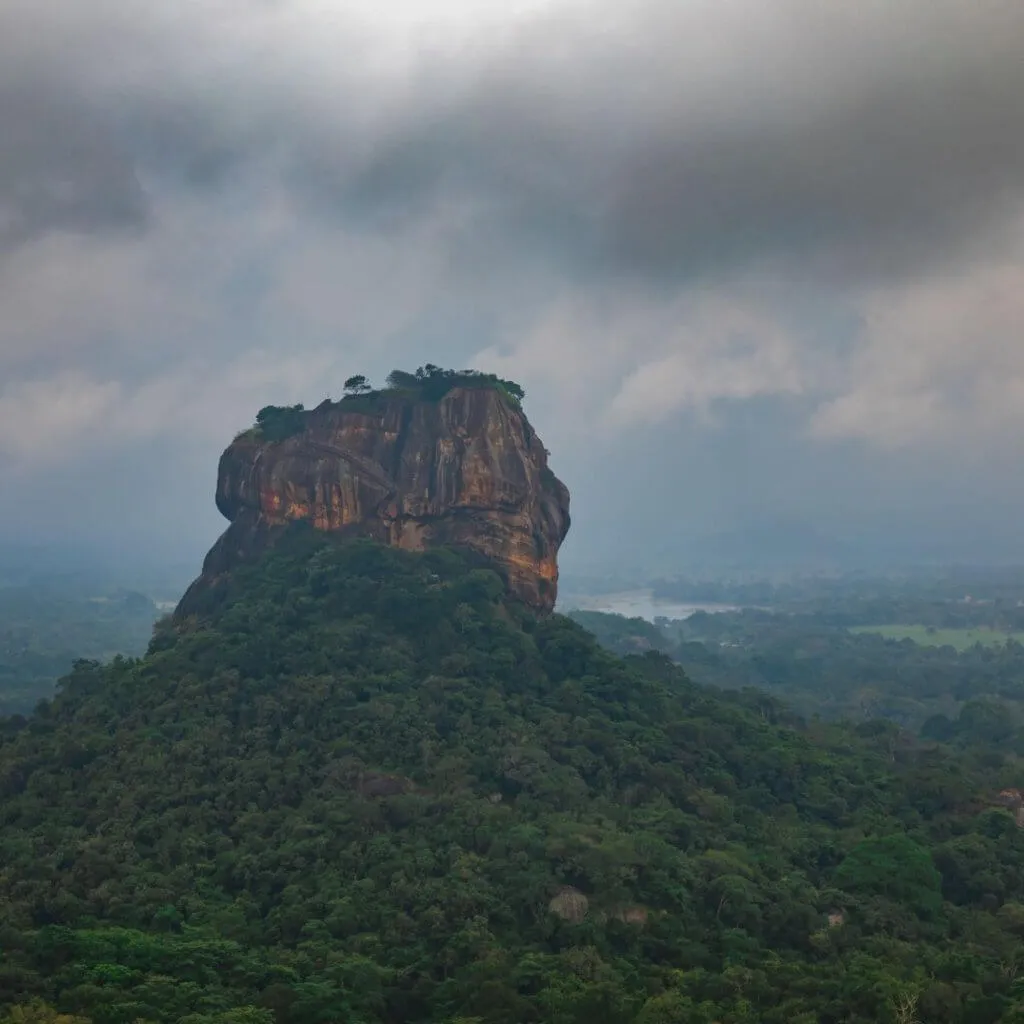
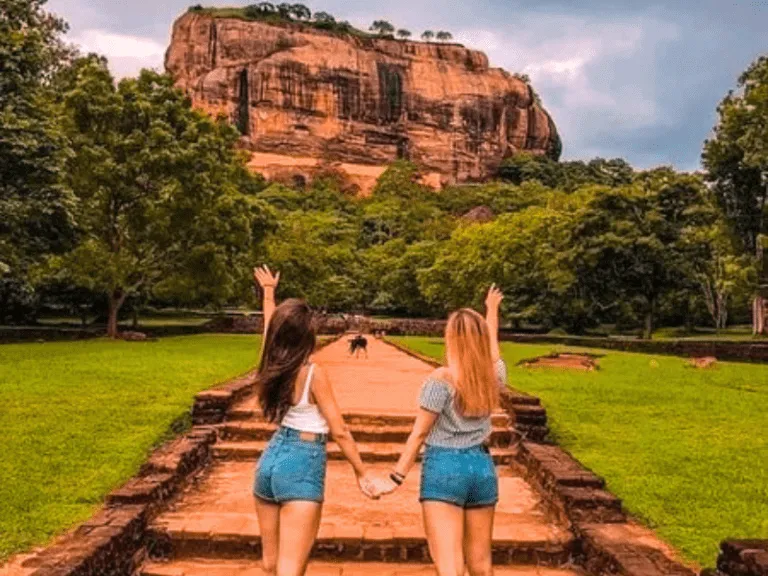
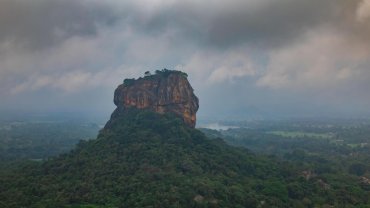
| 5-7 | Cultural Triangle | Private Driver | Explore Sigiriya (Pidurangala for sunset) and Ritigala ruins to avoid the main crowds. |
| 8-11 | Trincomalee/East Coast | Private Driver | Head East for whale watching and snorkeling; a less crowded alternative to the South. |
| 12-14 | Galle/Southern Coast | Expressway | Use the coastal highway to visit Galle Fort and relax in Unawatuna or Mirissa. |
Economic Logistics: Budgeting for 2026
The Sri Lankan Rupee (LKR) was approximately 309.60 per 1 USD in late December 2025; check the current rate before you travel. While local street food remains affordable ($2-5 per meal), international visitors should budget for the following specialized services :
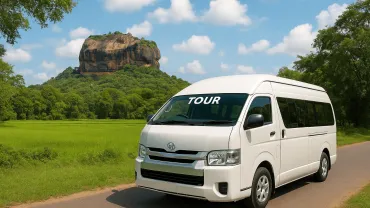
- Private Driver Rates: Expect to pay between $60 and $80 per day for a standard sedan (including fuel and driver accommodation). Minivans for families or groups range from $80 to $110 per day.
- Tuk-tuks and local taxis are cheaper options; however, if you want a safe, comfortable, and well-organized travel experience across the whole of Sri Lanka, it is recommended to book through a professional travel agent such as Lanka Tour Host or Airport Transfers Drop Me Soon.
- By choosing a trusted travel agent, you can travel with peace of mind, avoid overcharging or scams, and eliminate common travel-related issues, ensuring a smooth and enjoyable journey throughout the country.
- Site Entrance Fees: Budget $25-30 for major UNESCO sites like Sigiriya or Polonnaruwa.
Conclusion: Why Sri Lanka in 2026?
The “Great 2026 Pivot” has transformed Sri Lanka from a destination that required patience into one that rewards precision. By removing the friction of visas, modernizing the tracks of the railway, and refocusing its tourism product on restoration and authenticity, the island is inviting travelers to stay longer, travel faster, and give back deeper.
Whether you are here for the high-speed rail or the high-intent regenerative projects, Sri Lanka in 2026 stands ready to offer a seamless, smart, and spiritually enriching journey.
 1 Day
1 Day 1 Day
1 Day 1 Day
1 Day


Comment (0)